By Janet Salihu
The Female Parliamentarians’ Association of the Economic Community of West African States (ECOFEPA) has called for greater economic empowerment of women as a pathway to strengthening their influence in political and regional decision-m
The First Vice-President of ECOFEPA, Hon. Zainab Gimba, made the call while delivering an address on behalf of the President of the Association at an Executive Masterclass in Accra, Ghana.
The Masterclass, which brought together women parliamentarians, entrepreneurs, exporters and other stakeholders, was organised under the theme: “Advancing Women’s Participation in Global Trade for Political Readiness and Export Opportunities in ECOWAS Region.”
Gimba said women must move beyond being participants in economic activities to becoming major drivers of trade, investment and innovation across the region.
She said economic success could give women the confidence, networks and leadership experience needed to participate more effectively in shaping policies on trade, investment, finance, industry and regional integration.
“We need women who are not only prepared to enter the marketplace but also prepared to sit at the tables where decisions about trade, investment, finance, industry and regional integration are made,” she said.
Gimba identified limited access to finance, market information, technology and business networks, as well as inadequate representation in decision-making, as some of the major barriers confronting women entrepreneurs in the region.
She therefore called on governments, financial institutions and development partners to provide accessible financing, improved trade infrastructure, reliable market information, mentorship and stronger networks to enable women-owned businesses to grow into competitive and export-oriented enterprises.
The ECOFEPA First Vice-President also urged women seeking to expand their businesses beyond local markets to acquire practical knowledge of standards, certification, packaging, branding, logistics, digital commerce, customs procedures and the requirements of international buyers.
Representing Ghana’s Minister for Gender, Children and Social Protection, the Ministry’s Legal Adviser, Ms Nnali Bennis-Wallace, said women were already contributing significantly to economic development across West Africa as farmers, processors, manufacturers, traders, service providers, exporters and entrepreneurs.
She, however, said many women-owned businesses remained concentrated in the informal economy due to challenges in accessing finance, technology, market information, business networks and larger markets.
Bennis-Wallace called for a shift from treating women primarily as beneficiaries of economic programmes to deliberately positioning them as producers, exporters, investors, innovators and decision-makers.
She said regional and continental trade frameworks could create opportunities for women entrepreneurs to expand their businesses and participate more actively in intra-African and global trade.
An entrepreneur in shea butter production, Ms Irene Atubiga, also shared her experience of building and expanding her enterprise, highlighting the processes that helped her move her business forward.
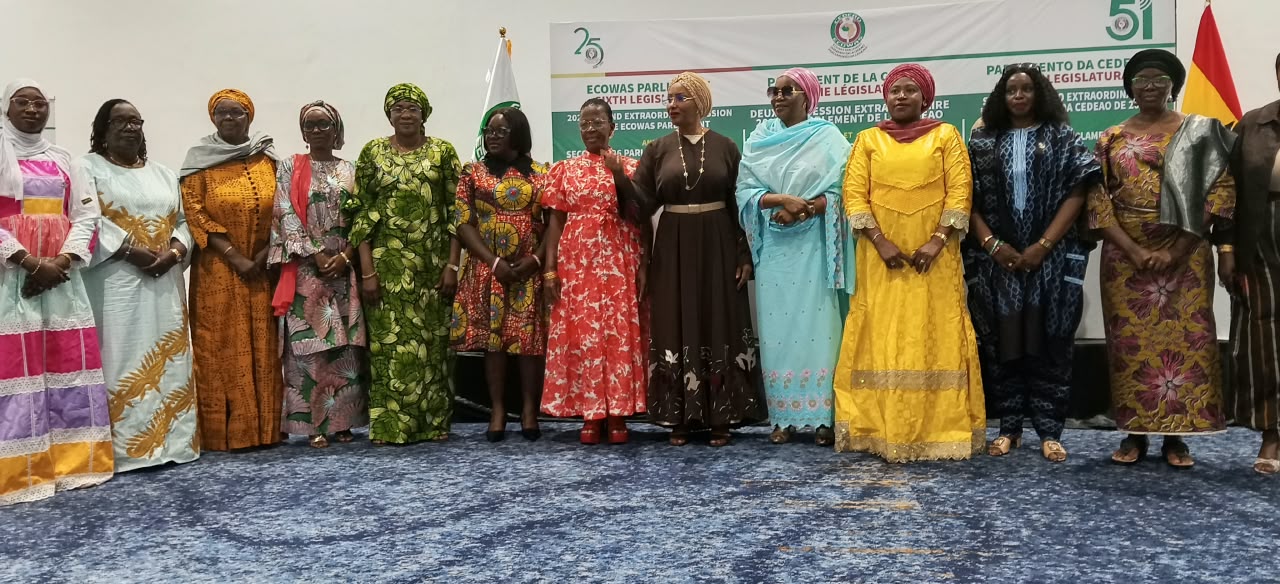
The Executive Masterclass was held as part of activities surrounding the 2026 Second Extraordinary Session of the ECOWAS Parliament and the Second 2026 Parliamentary Seminar in Accra