Jane Salihu
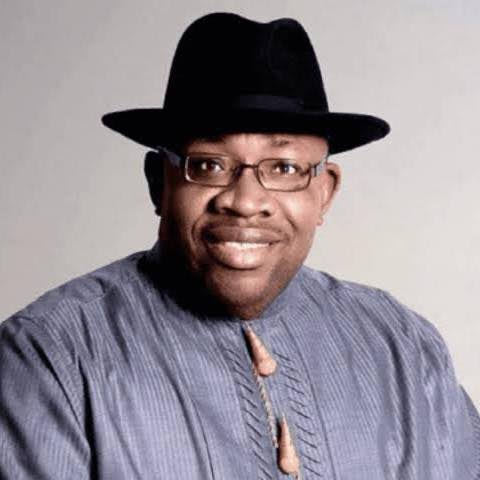
The National Leader of the Nigeria Democratic Congress (NDC), Henry Seriake Dickson, on Monday defended the registration and legitimacy of the party during a live appearance on AIT’s Focus Nigeria, insisting that its emergence followed due legal process and positioning it as a platform that will participate fully in future elections.
Speaking during the programme, the senator representing Bayelsa West Senatorial District in the 10th Senate said the party’s registration by the Independent National Electoral Commission (INEC) complied with a court order and remains secure, noting that there is no litigation challenging the party’s legal status.
Dickson said the NDC was established to provide Nigerians with a credible ideological platform that brings together citizens who share common democratic values and aspirations.
According to him, democracy guarantees freedom of political association, stressing that Nigerians have the constitutional right to form or join political parties that align with their beliefs.
The former Bayelsa State governor further disclosed that the party intends to actively participate in future elections across the country, stating that the NDC will field candidates for all elective positions.
“Our intention is to build a broad-based political movement that represents the aspirations of Nigerians and promotes democratic ideals. The NDC will field candidates for all positions in the next general elections, from the presidency down to the state houses of assembly and even council polls,” he said.
Dickson also acknowledged that new political movements often face criticism at their early stages but maintained that the party remains focused on expanding its membership and strengthening its structures nationwide.
Quoting Indian independence leader Mahatma Gandhi, he said emerging movements typically pass through phases of skepticism before gaining broader acceptance.
The senator expressed confidence that the NDC would continue to grow as more Nigerians seek platforms committed to accountability, inclusive governance and stronger democratic institutions.