By Jane Salihu
Members of the ECOWAS Parliament have called for stronger regional cooperation, sustained diplomatic engagement and enhanced parliamentary powers to address the worsening security situation in Mali, Burkina Faso and Niger.
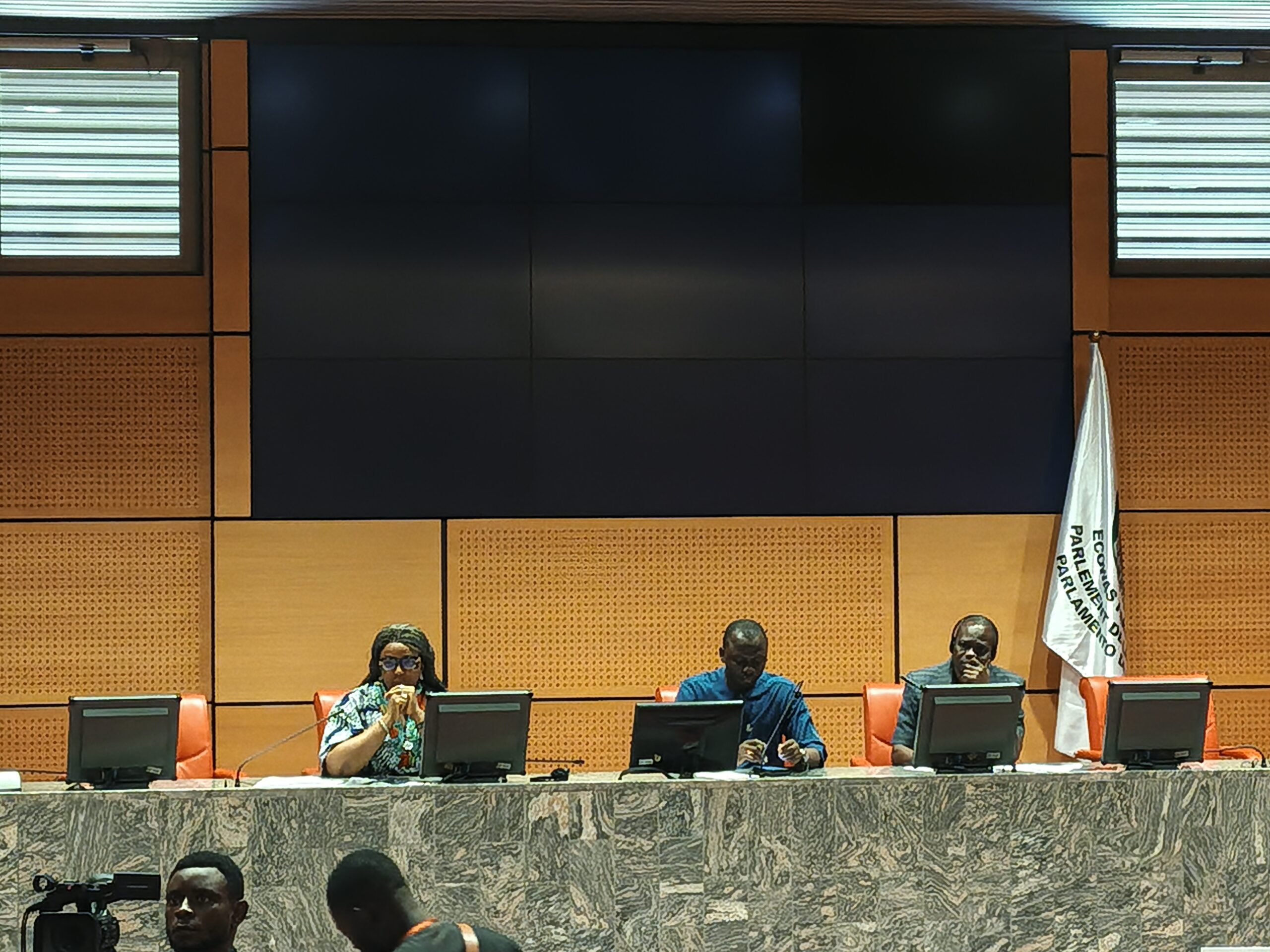
Speaking with journalists at the end of the First Ordinary Session of the ECOWAS Parliament in Abuja, Hon. Dominic Napara of Ghana and Hon. Amodu Camera of The Gambia said terrorism and political instability in the Sahel remain among the most serious threats confronting West Africa.
The lawmakers noted that although Mali, Burkina Faso and Niger have withdrawn from ECOWAS, the three countries remain critical to the region’s security and economic architecture.
Dominic said the security challenges in the Sahel have direct consequences for neighbouring countries, including Nigeria and Ghana, stressing that terrorism is a common enemy that demands a united response.
“Whatever happens in those countries affects all of us. Terrorism is a common enemy, and we must work together to confront it,” he said.
According to him, the ECOWAS Parliament has consistently raised concerns over the deteriorating security situation and adopted resolutions urging the ECOWAS Commission and the Authority of Heads of State and Government to sustain dialogue with the breakaway states while protecting the interests of citizens across the sub-region.
He said preserving cooperation on trade, transportation corridors and the free movement of persons and goods remains essential to maintaining regional integration and economic stability.
Dominic also stressed that despite the political disagreements that led to the withdrawal of the three countries, there are still common protocols and areas of cooperation that should be maintained in the interest of ordinary West Africans.
Hon. Amodu Camera described the Sahel crisis as one of the most complex and pressing challenges facing ECOWAS.
He said the Parliament’s Political Affairs Committee had extensively deliberated on the situation and forwarded recommendations to the ECOWAS Commission and Council of Ministers for implementation.
“Even if they are no longer part of ECOWAS, they remain our neighbours. Whatever affects them, especially in terms of security, will affect the citizens we represent in this Parliament,” he said.
Camera explained that while the ECOWAS Parliament plays an advisory and oversight role, implementation of its resolutions rests with the ECOWAS Commission, the Council of Ministers and national governments.
He emphasized the need to strengthen the powers of the regional legislature, including granting it full legislative authority and introducing direct elections for members of the ECOWAS Parliament to make them more accountable to citizens across the sub-region.
According to him, a more empowered Parliament would be better positioned to amplify the voices of ordinary people and push for timely responses to regional challenges.
On the future of ECOWAS, Camera said the proposed regional compact built around key pillars of integration offers an opportunity to deepen cooperation and address longstanding implementation gaps.
Both lawmakers expressed optimism that sustained diplomacy, stronger institutions and closer collaboration among ECOWAS member states would help restore peace and stability in the Sahel and advance the broader goal of regional integration.
They maintained that despite current tensions, West African countries share a common destiny and must continue working together to confront insecurity and promote development across the region