Jane Salihu
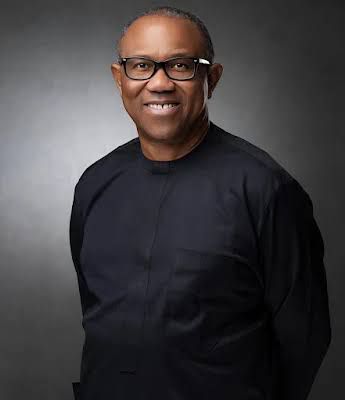
Presidential candidate of the Nigerian Democratic Coangress(NDC), Peter Obi, has unveiled what he described as a practical and measurable blueprint for national recovery, promising sweeping reforms across security, healthcare, education, agriculture, energy, governance, and job creation if elected president in 2027.
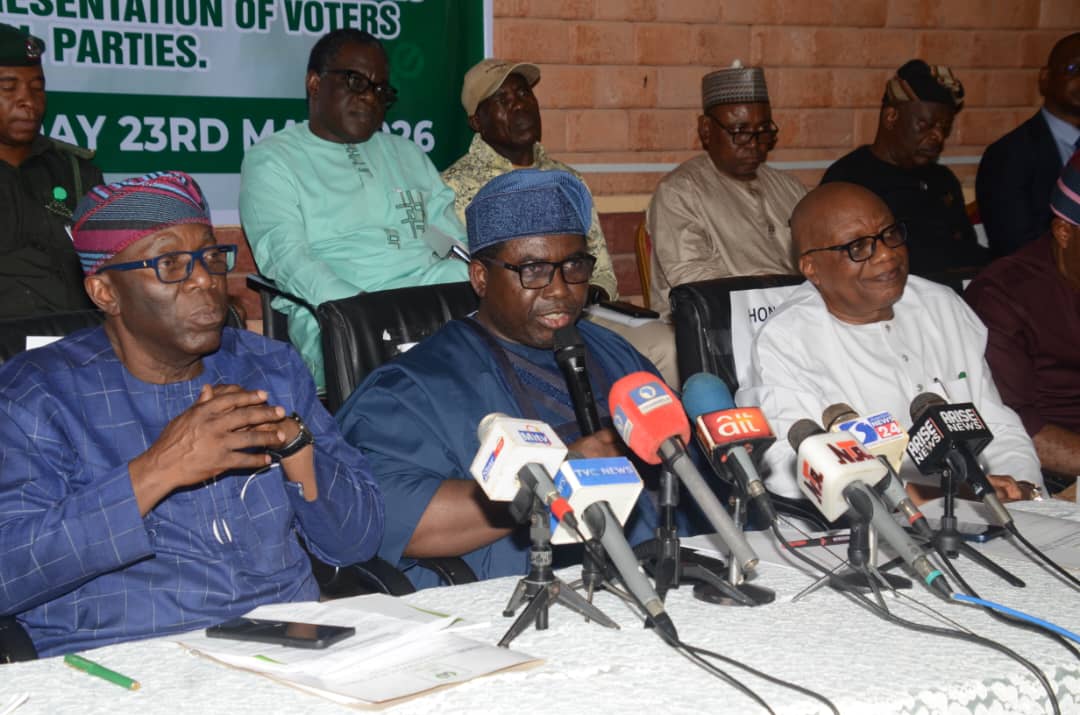
Speaking after emerging as the party’s presidential candidate at a gathering in Abuja on Saturday, Obi declared that “a New Nigeria is Possible,” insisting that the country’s challenges could be overcome through purposeful leadership, accountability, and strategic investments in critical sectors.
Unlike traditional political promises, Obi anchored his address on specific targets and timelines, pledging that Nigerians would be able to assess his administration through verifiable outcomes.
On security, the former Anambra State governor lamented Nigeria’s worsening ranking among countries affected by terrorism and insecurity, promising an intelligence-driven, technology-enhanced, and community-based security architecture. He said restoring safety across the country would remain the foremost responsibility of his administration.
Obi also outlined ambitious healthcare reforms, promising that every one of Nigeria’s 8,809 wards would have a fully functional primary healthcare centre within four years. He further pledged to increase health insurance coverage from about 10 per cent to over 20 per cent and raise healthcare spending to at least 10 per cent of the nation’s Gross Domestic Product (GDP).
In the education sector, the NDC candidate described human capital development as the foundation of national prosperity, promising increased investment in schools, teachers, technology, and vocational education to equip young Nigerians with employable and entrepreneurial skills.
Addressing food insecurity, Obi expressed concern over Nigeria’s declining position on the Global Hunger Index despite its vast agricultural potential. He argued that transforming agriculture from subsistence to large-scale production remains the country’s surest path to economic growth and poverty reduction.
He particularly highlighted the vast uncultivated lands in Northern Nigeria, describing them as one of the nation’s greatest assets capable of driving food security and wealth creation.
On electricity, Obi pledged to tackle the country’s chronic power shortage by delivering an additional 10,000 megawatts of electricity generation and distribution within four years, noting that Nigeria’s current output remains grossly inadequate for its population and economic needs.
The presidential candidate also vowed to aggressively support micro, small and medium enterprises through tax incentives, affordable financing, and targeted interventions in agriculture, manufacturing, entertainment, sports, and distribution to address rising unemployment and underemployment.
On governance, Obi promised a significant reduction in the cost of government, stronger anti-corruption measures, strict adherence to the rule of law, and the protection of democratic institutions.
He further pledged to promote national unity, warning against divisions based on ethnicity, religion, and regional interests.
“Nigeria cannot move forward while divided,” he said, urging citizens to embrace mutual trust, understanding, and collective purpose in building a stronger nation.
Obi concluded by assuring Nigerians that his administration would be guided by transparency, accountability, and respect for democratic principles, stressing that governance must ultimately serve the interests of the people.
His emergence as the NDC presidential candidate sets the stage for what is expected to be a fiercely contested race for the presidency in 202