Jane Salihu
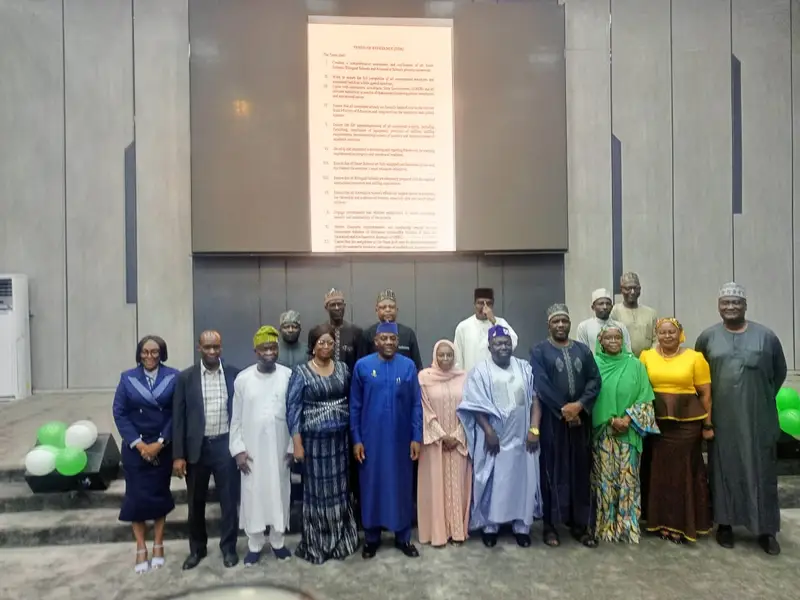
The Minister of Education, Marauf Tunji Alausa, has inaugurated the Ministerial Implementation and Monitoring Team for the Smart Schools, Bilingual Schools and Alternative Schools projects, declaring that the Federal Government will intensify oversight to ensure every education project delivers measurable benefits to Nigerian children.
Speaking at the inauguration in Abuja, Alausa said the committee would serve as a critical mechanism for monitoring implementation, resolving project bottlenecks and ensuring that the government’s investments in basic education are completed on schedule and become fully operational.
The minister stressed that the Federal Government would not be satisfied with merely awarding contracts or constructing school buildings, but would ensure that every intervention translates into improved learning outcomes, expanded access to quality education and better opportunities for Nigerian children.
He described the Smart Schools, Bilingual Schools and Alternative Schools initiatives as strategic interventions designed to modernise basic education, promote digital learning, provide inclusive education and expand access for vulnerable and out-of-school children.
Alausa charged members of the implementation and monitoring team to discharge their responsibilities with diligence, professionalism and accountability, urging them to closely supervise project execution, promptly address implementation challenges and ensure value for public funds.
He emphasised that the success of the programmes would be measured not by the number of projects initiated, but by the number of fully functional schools delivering quality education to learners across the country.
Earlier, Executive Secretary of the Universal Basic Education Commission, Aisha Garba, said the projects represent some of the Federal Government’s most significant investments in basic education.
She disclosed that 37 Smart Schools have been established nationwide, with 24 already conducting academic activities, while the remaining schools are at various stages of completion and preparation for operation.
Garba also said 30 schools have been established under the UBEC–Islamic Development Bank Bilingual Education Programme across nine participating states, with three bilingual boarding schools already completed and commissioned.
According to her, the Alternative Schools Programme is expanding access to education for vulnerable and out-of-school children through flexible and inclusive learning models.
She added that the newly inaugurated team would oversee project implementation, facilitate the timely completion and handover of schools, resolve implementation challenges and ensure that government investments translate into functional learning centres that improve access to quality education across Nigeria.