By Jane Salihu
Four survivors of irregular migration have shared heart-rending accounts of deception, abuse and loss before members of the ECOWAS Parliament, urging West African youths to reject dangerous migration routes and warning families against mounting pressure on young people to seek greener pastures abroad.
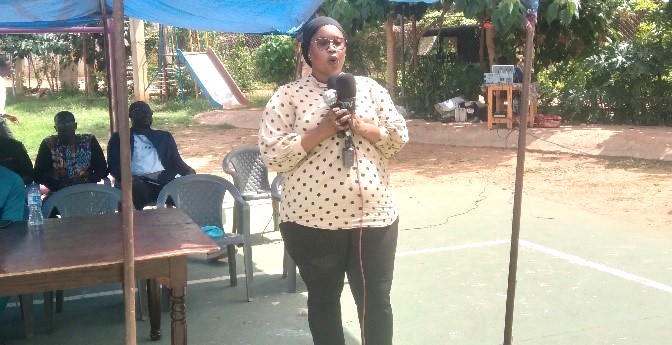
The testimonies were delivered on Tuesday during a community engagement organised by the ECOWAS Parliament in Bakau as part of its regional campaign against irregular migration, human trafficking and modern slavery in The Gambia and Senegal.
The survivors, mie Jobe, Tombong Kuyateh, Alimatou Sarjo and Fatou Cham, recounted their personal experiences, exposing how false promises of overseas employment, poverty, unemployment and family expectations continue to fuel irregular migration across the region.
Amie Jobe told lawmakers how she was lured by an immigration officer who promised her a communication job abroad and assured her that all travel documents had been arranged.
She said traffickers often persuade victims to surrender their passports and money with promises of lucrative jobs in countries such as Dubai, Lebanon, Morocco, Egypt and, more recently, Turkey.
According to her, the reality was far different from what had been promised.
“Even if they promise you jobs in Dubai or Turkey, don’t go because what they tell you is never what you find,” she warned.
Jobe explained that she considered herself fortunate to have returned home after one year, unlike many others who either spent several years abroad or disappeared without their families ever knowing their fate.
She identified poverty and family pressure as the major factors that pushed her into making the journey.
Another survivor, Tombong Kuyateh, a member of Youth Against Irregular Migration (YAIM), said he left The Gambia in 2013 hoping to rescue his family from poverty after struggling with unemployment.
He narrated the harsh realities migrants face along the route, describing repeated extortion, physical abuse and torture at checkpoints.
According to him, migrants who could not pay demanded fees were often beaten or electrocuted.
He described the Sahara Desert as “a graveyard for youths,” revealing that 15 out of the 30 friends who travelled with him died from hunger, thirst and the extreme heat before reaching their destination.
Kuyateh appealed to governments across West Africa to establish vocational training centres, create employment opportunities for young people and intensify awareness campaigns to discourage irregular migration.
Also speaking, Alimatou Sarjo of the Safe Home for Migrants’ Association said family expectations often push young people into undertaking dangerous journeys.
She noted that many parents compare their children with peers who have travelled abroad and appear successful, creating emotional pressure that drives many youths to seek opportunities through unsafe migration routes.
The community dialogue forms part of the ECOWAS Parliament’s ongoing parliamentary-citizen engagement campaign aimed at raising awareness about the dangers of irregular migration, human trafficking and modern slavery while encouraging safer and legal migration pathways across West Africa.
Lawmakers said the campaign seeks to bring migration conversations closer to communities most affected by the phenomenon, using real-life experiences of survivors to educate young people and strengthen regional efforts to combat trafficking and protect vulnerable populations.