By Jane Salihu
The Minister of Education, Dr. Maruf Tunji Alausa, CON, has placed coordinators and officials handling the Nigeria Education Sector Renewal Initiative (NESRI) under a renewed six-month delivery review, demanding clearer accountability for unfinished education reforms.
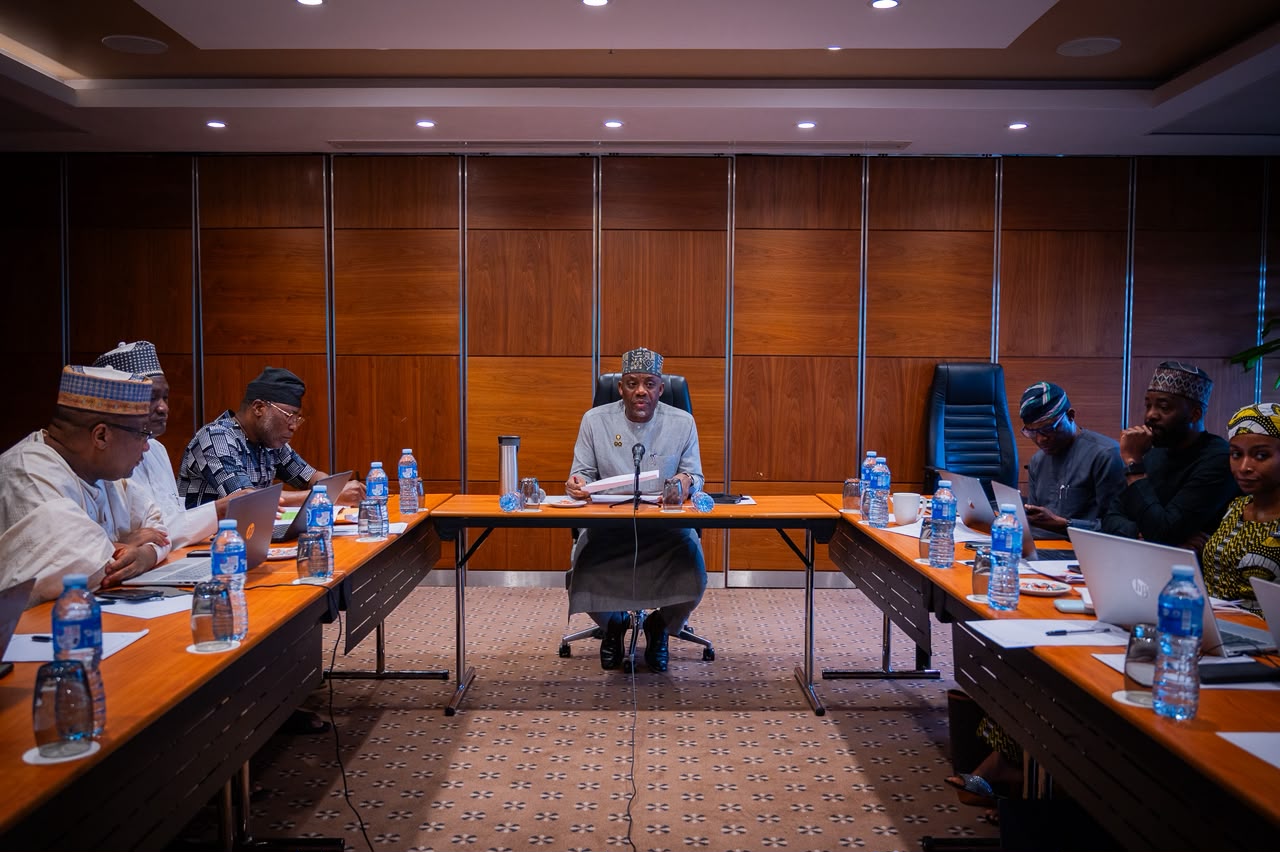
Alausa issued the directive on Friday in Abuja at a Ministerial Deliverables Meeting on NESRI, where the Ministry reviewed progress made since its last retreat in February and assessed the status of key commitments under the Federal Government’s education reform agenda.
Rather than treating the commencement of activities as evidence of completion, the review subjected reported achievements to further scrutiny to determine whether they had actually delivered the full results expected.
The Minister directed officials responsible for outstanding deliverables to identify the specific obstacles delaying implementation, establish realistic timelines for completion and take ownership of the steps required to resolve the bottlenecks.
The approach, according to the Ministry, is intended to move the reform process beyond meetings, announcements and programme launches to measurable improvements that can be felt by students, teachers and communities.
Alausa told the officials that the essence of the review was to confront unfinished work and determine how to complete what had already been started.
“Today is not about celebrating what we have done and going home. It is about looking at what we have done, what remains to be done and how we can finish what we have started,” he said.
The Minister said officials must not become complacent over progress already recorded, stressing that every achievement should serve as a springboard for the next phase of implementation.
He noted that President Bola Ahmed Tinubu had demonstrated strong political commitment to education and continued to provide the support necessary to implement reforms aimed at expanding access, improving quality and making education more relevant to national development.
According to Alausa, the mandate of the Ministry is ultimately to ensure that Nigerian children have access to quality education that equips them with the knowledge, skills and opportunities required to succeed.
The NESRI reform agenda covers several critical areas, including Technical and Vocational Education and Training, Science, Technology, Engineering and Mathematics, the out-of-school children crisis, girl-child education, quality assurance, education data and digitalisation.
The Minister said the success of these interventions should not be measured by the number of programmes launched or meetings held, but by the changes they produce across the education system.
He therefore charged programme coordinators, directors and other officials to strengthen collaboration, maintain clear ownership of their assignments and focus on outcomes that can be verified.
The meeting also considered additional deliverables and emerging priorities requiring the Ministry’s attention, while officials were tasked with developing timelines for outstanding assignments and measures for addressing implementation challenges.
Alausa reaffirmed the Ministry’s determination to sustain the reform momentum, insisting that the Federal Government would continue to pursue initiatives designed to give every Nigerian child a genuine opportunity to learn, acquire relevant skills and fulfil their potential.
The six-month review effectively puts the Ministry’s NESRI implementation teams on a fresh delivery clock, with unfinished commitments expected to move from discussion to clearly defined actions and results.