Jane Salihu
National Leader and founder of the National Democratic Congress (NDC), Senator Seriake Dickson, has called for a return to the ideals, values and sacrifices that shaped Nigeria’s democratic struggle, warning that the politics of ideology and public service that once defined the country’s political landscape is steadily being replaced by money-driven politics.
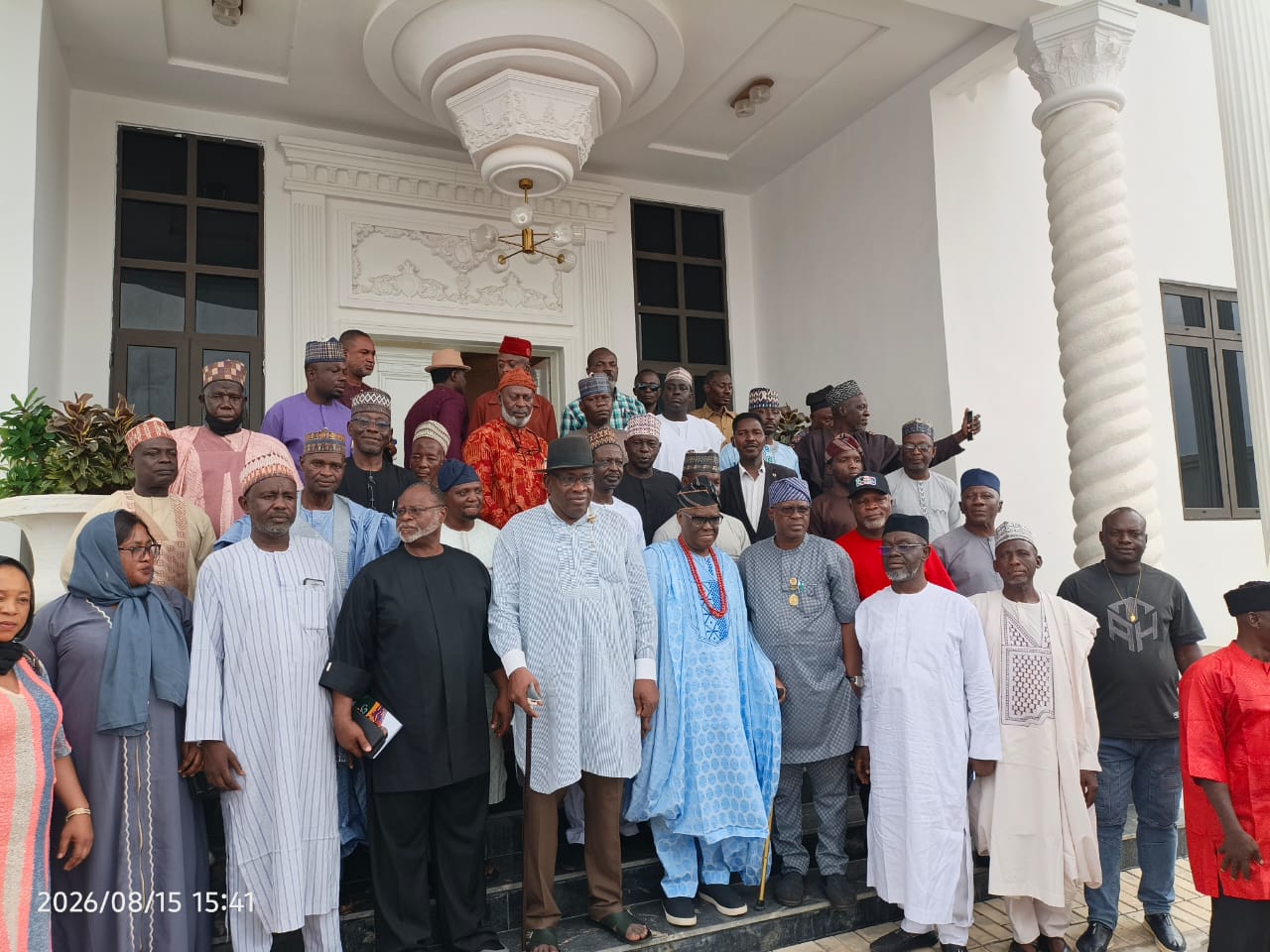
Dickson made the call in Abuja at an epochal reunion of former leaders, members and associates of the Alliance for Democracy (AD), which he hosted at his residence, bringing together members of the political generation that played significant roles in Nigeria’s transition to democratic rule.
The gathering provided an opportunity for former AD leaders and activists from different parts of the country to reconnect, honour their departed colleagues and reflect on the political values that guided their participation in the struggle for democracy.
Dickson recalled that when the AD was established, political participation was driven largely by ideology, commitment, values and personal sacrifice rather than financial inducements.
“At that time, nobody had money to give to anybody. Money was not the most important currency of politics. What was important then was ideals, values and commitment,” he said.
He recalled that the AD, despite its limited resources, successfully challenged powerful political interests and won elections across the six South-West states, describing the feat as evidence of the power of political conviction, grassroots organisation and commitment.
Dickson, who was a founding state chairman of the party in Bayelsa and later served as its National Legal Adviser, recounted how members often used their personal resources to build party structures and support candidates who could not afford electoral expenses.
He said he personally financed aspects of the party’s operations in Bayelsa and at one point used his chequebook to meet nomination obligations for candidates who lacked the resources to contest elections.
“The candidates didn’t have money. They didn’t even know about it. But our joy was in building a country and winning for our people,” he said.
The former Bayelsa governor lamented that the sacrifices made by members of his generation were often missing from accounts of Nigeria’s democratic history, stressing that many people occupying positions of authority today benefited from the struggles and sacrifices of those who fought for the return of democracy.
“Very often, when the story of Nigeria’s return to democracy and this dispensation is told, the little sacrifices that we made are conveniently left out,” Dickson said.
He said the reunion was therefore not merely about old friends meeting again, but also about preserving the history of the struggle and considering how the experience of the old generation could contribute to Nigeria’s democratic future.
Dickson also criticised the tendency of politicians to automatically support whoever controls government, saying genuine political engagement requires the courage to support good policies and oppose actions considered detrimental to the country.
“If we support what you do, we say we are supporting you. If we disagree with what you do as politicians, we speak against you. We organise against you. That is the calling of a politician,” he said.
According to him, true federalism, constitutional democracy, restructuring, equitable allocation of resources and environmental justice were among the principles that shaped the political philosophy of the AD generation and remain relevant to Nigeria’s political development.
Dickson linked the establishment of the NDC to lessons learnt during his years in the AD, particularly the importance of selfless service, ideological consistency, organisation and team building.
“I am learning from you all the art of selfless service, the art of sticking to values, principles and ideals, and working to build teams. And that’s exactly the same way we started the NDC,” he said.
He, however, clarified that the reunion should not be interpreted as an immediate move towards a political coalition between the AD family and the NDC.
Dickson said the immediate objective was to reconnect former members and associates, establish where surviving members are today and create a platform for continued dialogue.
“Today is not about partisan politics. Today is about Alliance for Democracy. It is about the history of the struggle for the restoration of democracy in this country,” he said.
He explained that former AD members are now spread across different political parties and that further meetings, consultations and conversations would determine the future direction of the initiative.
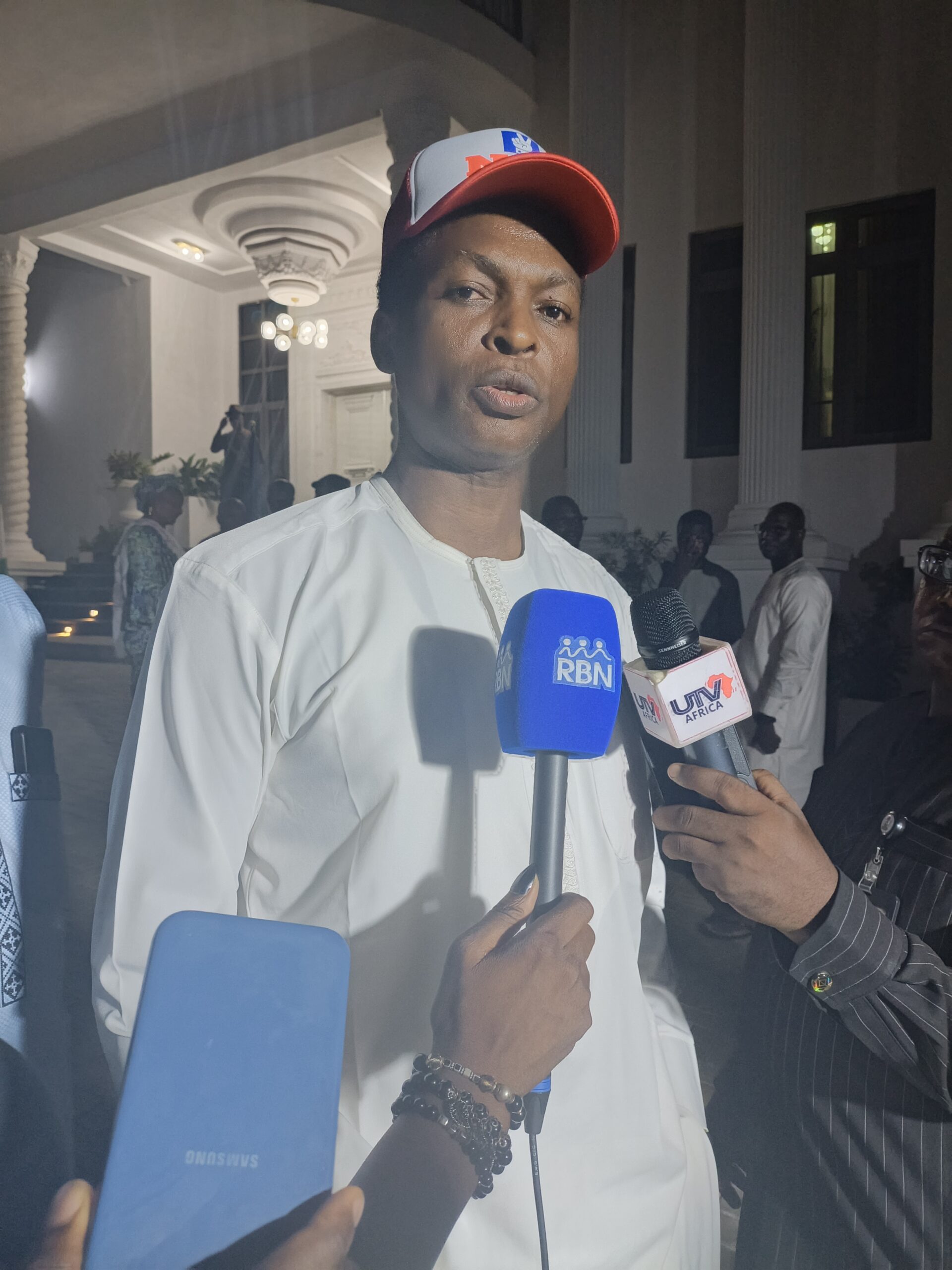
Speaking with journalist shortly after the meeting, Professor Udenta O. Udenta, the founding National Secretary of the Alliance for Democracy, described the gathering as the beginning of a broader democratic conversation among members of the old political movement.
Udenta said the AD represented a new type of political party built around civic energy, ideology and commitment to democracy, stressing that the reunion was not about the NDC but about reconnecting the old AD family.
“It is not an event, it is a process. Having commenced today, this process is going to grow in leaps and bounds,” he said.
He warned that members of the generation that fought for the Fourth Republic could not remain silent while the country’s democracy faces serious challenges.
“We are the foundation members of this current republic. We are the front row. We know the role everybody played, and we cannot keep silent and watch this country slide into anarchy,” Udenta said.
The gathering also featured a minute of silence in honour of departed leaders and founding members of the democratic movement, including those who contributed to the establishment of the Alliance for Democracy and the struggle for democratic rule.
Speaking with newsmen also, Dickson said the surviving members of the movement must use their experience and wisdom to mentor younger generations and contribute to rebuilding confidence in Nigeria’s democratic system.
He noted that although the members of the old generation might no longer possess the physical energy of their youth, they now have the benefit of decades of political experience.
“The fire of youth and the magic of old age is still burning in our hearts. What we lack now in mobility and dynamism, we make up and compensate for in wisdom and experience,” he said.
The reunion ended with a renewed call for members of the old democratic movement to preserve their history, remain engaged in national affairs and contribute to strengthening Nigeria’s multi-party democracy.