Jane Salihu
The Independent National Electoral Commission (INEC) has raised concerns over the growing use of artificial intelligence to spread misinformation and disinformation, warning that digital manipulation could affect public confidence in Nigeria’s 2027 general elections.
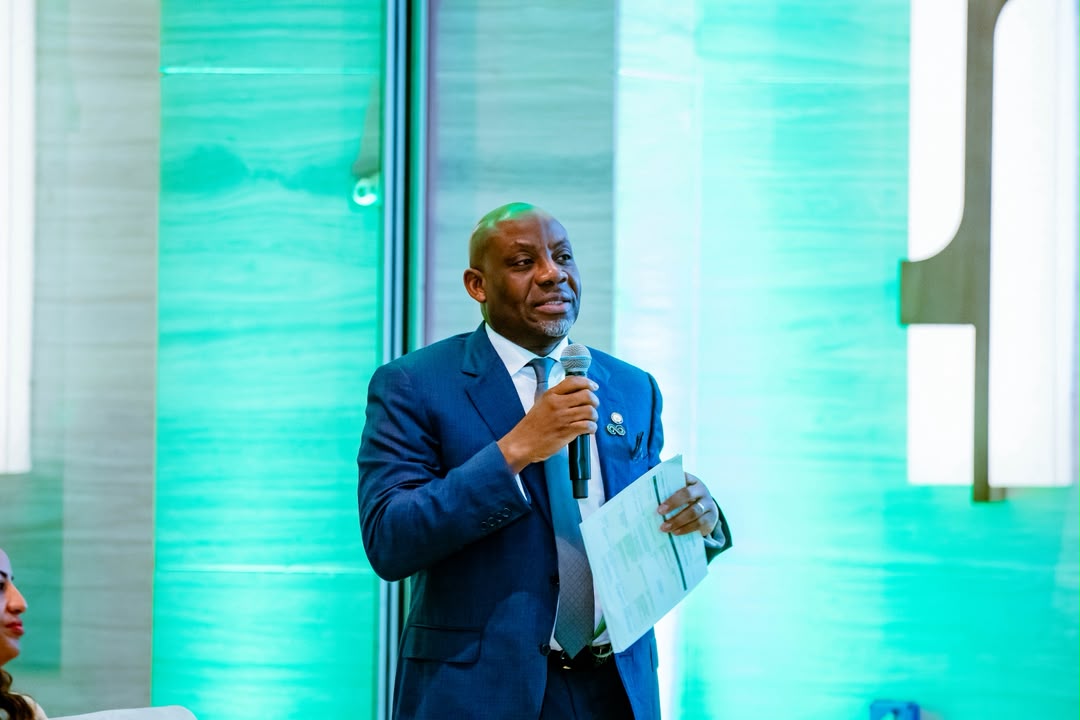
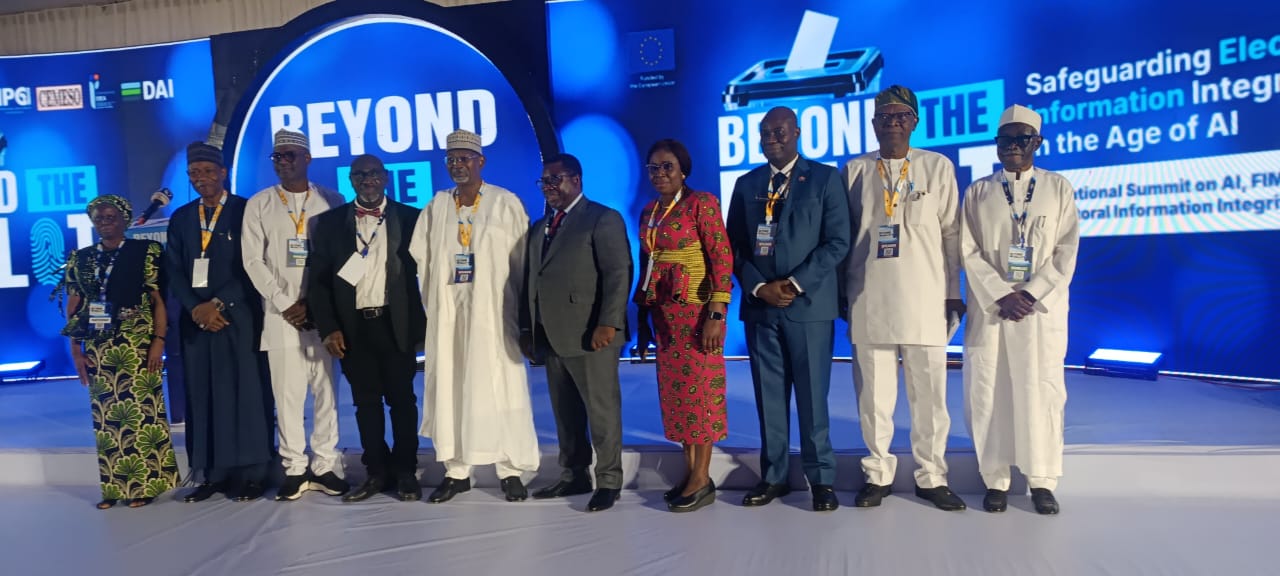
The INEC Chairman, Prof. Joash Amupitan, expressed the concern on Monday in Abuja at the opening of the National Summit on Electoral Information Integrity, themed, “Beyond the Ballot: AI, FIMI and the Integrity of Nigeria’s 2027 Elections.”
Amupitan said electoral threats had evolved beyond physical interference at polling units to sophisticated digital manipulation capable of undermining confidence in the electoral process even before voting begins.
He identified deepfakes, cloned voices, fabricated announcements and coordinated disinformation campaigns as emerging threats that could mislead voters and distort public perception of election activities.
While acknowledging the potential of artificial intelligence to improve election administration, the INEC chairman stressed the need to prevent its misuse in spreading false electoral information.
“INEC cannot police the truth alone,” he said, calling for a united front involving government institutions, security agencies, media organisations, technology companies and civil society.
He disclosed that the commission was strengthening its technological and communication capacity to identify manipulated content, verify suspicious information and provide timely clarifications across traditional and digital media platforms.
He also called for clear inter-agency response procedures, institutionalised fact-checking channels and simulation exercises to prepare stakeholders for possible AI-driven information crises.
However, Amupitan cautioned that efforts to tackle misinformation must respect freedom of expression, press freedom and legitimate political dissent, stressing that such measures should not become a justification for censorship or state overreach.
Former INEC Chairman and chairman of the occasion, Prof. Attahiru Jega, described artificial intelligence as a powerful tool with significant potential to improve governance and administrative efficiency but emphasised the need to address the challenges associated with its deployment in Nigeria’s electoral environment.
Similarly, the European Union Ambassador to Nigeria and ECOWAS, Gautier Mignot, noted that elections could be undermined without any physical alteration of ballot papers, as fabricated announcements and false claims about results could mislead citizens and deepen public distrust.
He reaffirmed the European Union’s support for initiatives promoting information integrity, media resilience and responsible digital engagement.
Representing the Minister of Information, the Executive Secretary of the Nigerian Press Council, Dr. Dili Ezughah, said electoral integrity extended beyond voting, counting and the declaration of results to include the quality of information available to citizens before, during and after elections.
He noted that Nigeria’s National Artificial Intelligence Strategy, published in 2024, provides a framework for responsible, inclusive and accountable deployment of AI.
The Executive Director of the International Press Centre (IPC), Mr. Lanre Arogundade, speaking on behalf of IPC, CEMESO, IDEA and DAI, observed that the contest for citizens’ trust was already unfolding across digital platforms ahead of the 2027 elections.
He called for stronger partnerships among media organisations, election management bodies and civil society groups to identify, verify and counter false electoral narratives.
The summit was organised by the IPC and the Centre for Media and Society (CEMESO), with support from the European Union under its Support to Democratic Governance in Nigeria programme and DAI.
It is expected to produce practical recommendations and collaborative strategies for protecting Nigeria’s electoral information environment ahead of the 2027 general elections.
Papers presented at the summit addressed electoral information integrity in the age of artificial intelligence, the mapping of Nigeria’s electoral information environment and the growing influence of AI-generated content, foreign information manipulation, hate speech and coordinated disinformation.
A panel session titled, “Voters, Voices and Algorithms: Who Is Most Exposed?” featured Mr. Dayo Oketola, Chief Press Secretary to the INEC Chairman; Mr. Ade Atobatele, Founder of Bootstrap Africa; and Dr. Toyosi Akerele-Ogunsiji, Founder of Rise Network. The session was moderated by Maupe Ogun-Yusuf.