By Jane Salihu
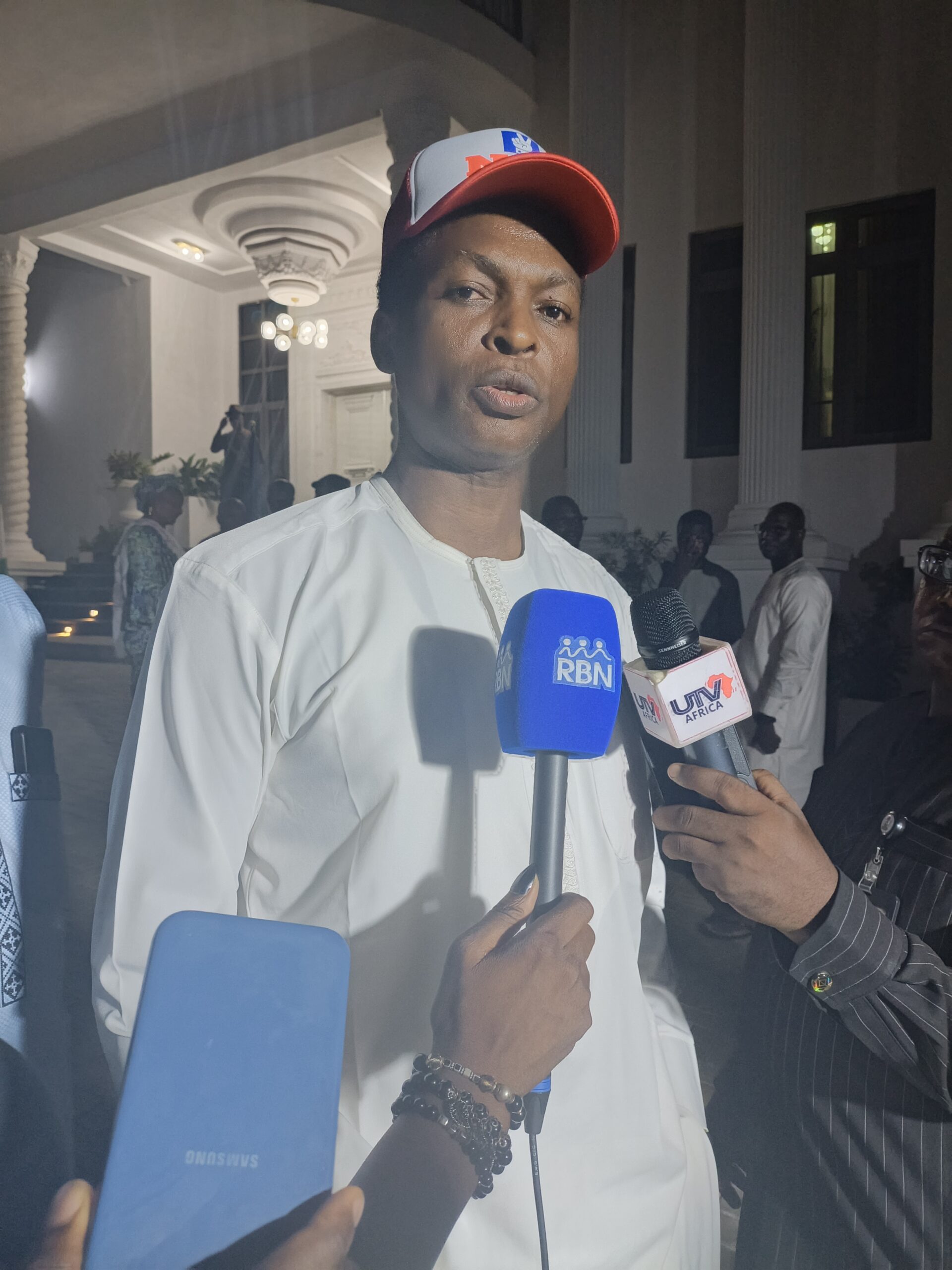
In an emotionally charged address in Abuja, former National Vice Chairman (South) of the Peoples Redemption Party (PRP) and its 2024 governorship candidate, Babatunde Francis Alli, formally announced his entry into the Nigeria Democratic Congress (NDC), declaring that his decision to leave his former party was driven by deep frustrations over exclusion, lack of internal democracy, and the marginalisation of youth voices in Nigeria’s political space.
Speaking with journalists shortly after his official reception by NDC stakeholders, Alli clarified widespread reports suggesting he defected directly from the PRP, insisting instead that he took the difficult step of resigning before aligning with the emerging political platform.
According to him, the decision to leave the PRP was not taken lightly but became inevitable after what he described as a pattern of regional dominance and leadership style that no longer aligned with his principles. While expressing respect for the party’s leadership, he noted that the concentration of power from a particular region had eroded inclusivity and weakened internal democratic processes.
“It was the hardest decision of my life,” he said, explaining that he had never belonged to any other political party prior to this move and might have exited politics entirely if not for the emergence of the NDC.
Alli also took aim at what he described as a culture of blame-shifting in Nigerian politics, warning against the growing tendency among political actors to attribute internal failures to external forces, particularly the ruling party. He argued that true leadership requires accountability, innovation, and courage—qualities he believes are lacking across much of the political landscape.
Now positioned as a national figure within the NDC, Alli said his primary mission is to mobilise Nigerian youth, whom he described as both the most powerful and most underutilised demographic in the country’s democratic process. He lamented that despite constituting a significant majority of registered voters, young Nigerians remain sidelined and discouraged from active participation in governance.
In a passionate appeal, he urged young people to rise above apathy, register to vote, and begin to assert their political rights, stressing that the NDC offers a platform for generational change and leadership inclusion.
Referencing historical figures who assumed leadership roles at a young age, Alli challenged the current narrative that youth must “wait their turn,” describing it as a tool used by older political elites to maintain control.
He further criticised the state of education and governance in the country, citing prolonged university strikes and policy decisions taken without adequate consultation as evidence of systemic failure.
With the 2027 general elections on the horizon, Alli expressed optimism that a youth-driven political awakening could reshape Nigeria’s future, positioning the NDC as a vehicle for that transformation.
He called for unity, responsibility, and a renewed commitment to nation-building, urging Nigerians—especially the younger generation—to take ownership of their collective destiny.