Jane Salihu
The Initiative for Research, Innovation and Advocacy in Development (IRIAD) has called on the Federal Government and state governments to move beyond policy declarations and ensure that open government commitments translate into practical reforms that improve transparency, accountability and citizen participation across Nigeria.
The organisation made the call in a statement issued at the end of the 2026 Open Government Week celebration and signed by the Director of IRIAD-The Electoral Hub, Princess Hamman-Obels.
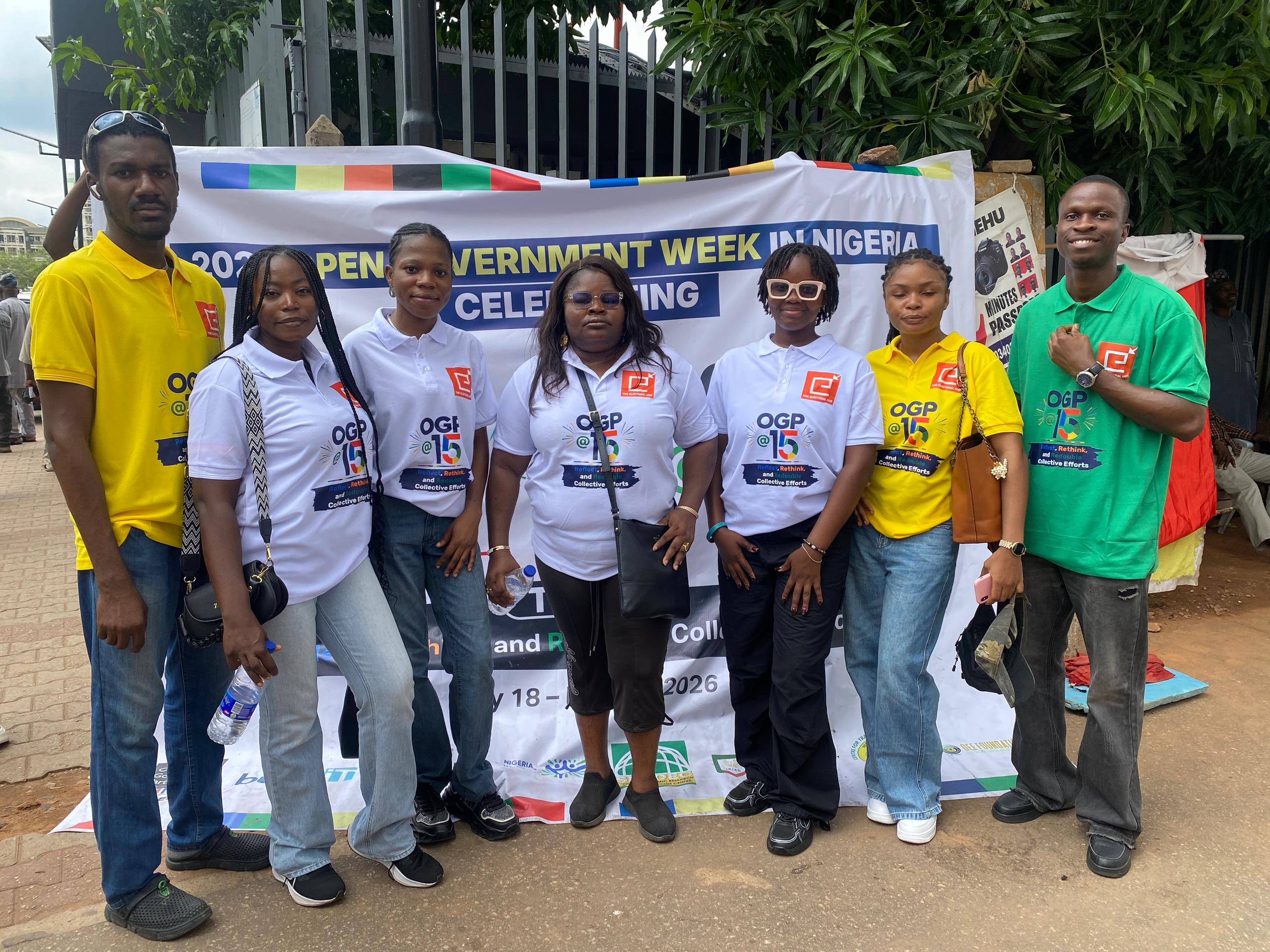
According to the statement, Open Government Week 2026, observed from May 18 to May 22, provided an opportunity for stakeholders to reflect on Nigeria’s progress under the Open Government Partnership (OGP) initiative while also identifying areas requiring urgent improvement.
IRIAD noted that this year’s celebration coincided with the 15th anniversary of the global OGP initiative and the 10th anniversary of OGP Nigeria, with activities organised under the theme: “Reflect, Rethink, and Redouble Collective Efforts.”
The organisation said civil society groups, government institutions and development partners organised a series of engagements during the week, including press conferences, awareness walks, policy dialogues, podcasts and social media advocacy campaigns aimed at deepening public understanding of open governance.
While acknowledging Nigeria’s achievements under the OGP framework, IRIAD stressed that more work remains to be done, particularly at the state and grassroots levels.
It highlighted some of the reforms achieved at the national level to include the launch of the Citizens’ Delivery Tracker for monitoring government projects and service delivery, establishment of the Beneficial Ownership Register, the Nigeria Open Contracting Portal (NOCOPO), participatory budgeting processes and improved compliance with the Freedom of Information Act.
The organisation said these reforms have helped strengthen citizen engagement and improve relationships between government institutions and civil society organisations.
At the subnational level, IRIAD stated that 28 states, four area councils in the Federal Capital Territory, as well as Anambra East and Kaduna South local government areas, have joined the OGP subnational initiative.
However, it expressed concern that eight states, Borno, Kwara, Benue, Ogun, Lagos, Bayelsa, Rivers and Akwa Ibom are yet to join the initiative.
The group also described the low participation of local governments in the OGP process as worrisome, noting that only six out of Nigeria’s 774 local government areas are currently participating.
IRIAD therefore urged the Federal Government to immediately sign and implement the Open Government Partnership National Action Plan IV (NAP IV), adding that implementation must be supported with adequate funding and strong political commitment.
“The Federal Government must lead by example, showing that open governance is not merely a commitment on paper but a reality reflected in governance practices and service delivery,” the statement said.
The organisation also called on state governments that are yet to join the OGP framework to do so without delay, while encouraging participating states to prioritise the development and implementation of State Action Plans.
It further urged civil society organisations to sustain advocacy and accountability efforts, while encouraging citizens to actively engage government institutions and utilise available feedback platforms to demand responsive governance.
IRIAD maintained that open governance remains critical to strengthening democracy, improving public trust and ensuring that governance works for all Nigerians