Jane Salihu
The University of Jos (UNIJOS) has recorded a major milestone in its leadership structure with the emergence of Professor Patricia Mamok Lar as its first female Vice-Chancellor, alongside Senator Grace Folashade Bent as Pro-Chancellor and Chairman of its Governing Council.
The development, which places two women in key leadership positions at the institution, has been described as a significant step towards strengthening women’s representation in Nigeria’s higher education administration.
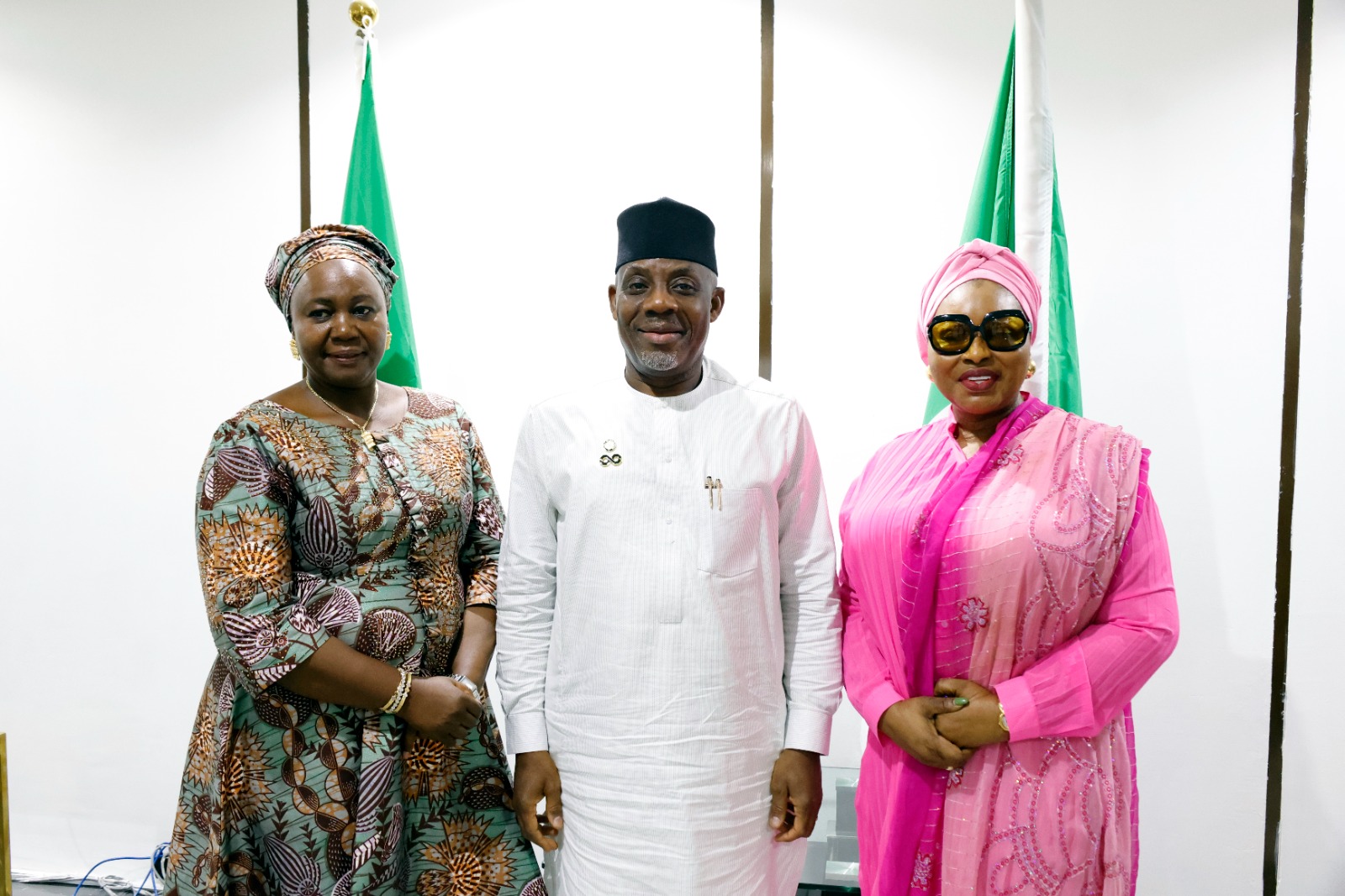
Special Adviser to the Minister of Education on Media and Communications, Ikharo Attah, disclosed this in a statement on Wednesday following a meeting between the Minister of Education, Dr Maruf Olatunji Alausa, Professor Lar and Senator Bent in Abuja.
Attah said the emergence of the first female Vice-Chancellor in UNIJOS’s history, alongside a female Pro-Chancellor, reflects the growing participation of women in strategic decision-making and university governance.
He noted that the development aligns with President Bola Tinubu’s vision of inclusive governance, which seeks to expand opportunities for women to contribute to leadership, institutional development and national growth.
According to him, the Minister commended the President for his commitment to inclusive leadership and ongoing reforms in the education sector, stressing the importance of creating opportunities for women to occupy positions of responsibility.
Alausa also congratulated Professor Lar on her historic emergence and acknowledged Senator Bent’s leadership role, describing the development as an encouraging reflection of the changing landscape of women’s participation in higher education.
The Minister reaffirmed the Federal Government’s determination to strengthen university governance and pursue reforms that promote excellence, innovation and broader participation in the education sector.
Attah maintained that the development at UNIJOS goes beyond a change in institutional leadership, describing it as an indication of the growing recognition of women’s capacity to shape the future of Nigeria’s educational institutions.
He added that the Federal Government’s reform agenda places importance on building an educational system where leadership opportunities are determined by competence, capacity and the ability to deliver results.