By Janet Salihu
Media practitioners covering the National Assembly have been urged to move beyond reporting budget figures and political statements to actively tracking public funds from appropriation to implementation and measurable impact.
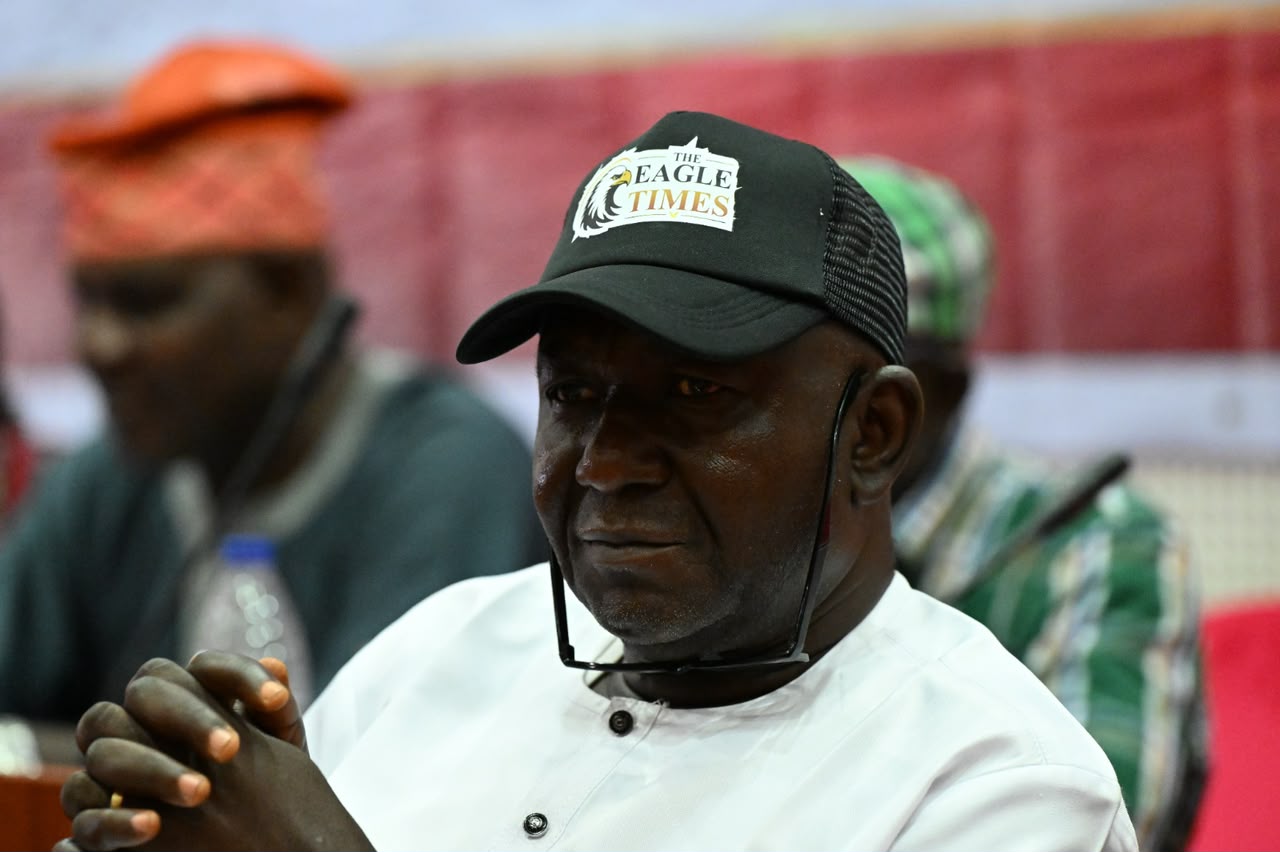
The Managing Director/Publisher of The Eagle Times Newspaper, Mr. Ikechukwu Chukwunyere, made the call in Abuja on Monday while presenting a paper titled “Making the Eagle Eye of the Media Sharper at Yearly Budget Scrutinies” at the 2026 Capacity Building Workshop organised by the Senate Press Corps.
Chukwunyere said budget journalism should not end with reporting how much government proposed to spend, stressing that reporters must follow allocations through release, expenditure, project delivery and eventual impact on citizens.
He described this approach as the difference between routine budget reporting and accountability journalism, urging journalists to constantly ask what happened to funds allocated in previous years before reporting fresh requests by Ministries, Departments and Agencies.
According to him, journalists should compare budget allocations across at least three years to identify unexplained increases, repeated projects, variations in project costs and gaps between financial and physical implementation.
He also advised parliamentary correspondents to scrutinise budget documents for possible duplication, vague project descriptions, unexplained cost increases and allocations that do not clearly identify project locations.
Chukwunyere urged reporters covering budget defence sessions to go beyond statements made by lawmakers and government officials, saying claims of project completion or percentage implementation should be independently verified.
He encouraged journalists to visit project sites, interview beneficiaries and community leaders, examine project signboards and compare what is on the ground with official claims contained in budget documents.
The newspaper publisher also called for greater use of data and digital tools in parliamentary reporting, including spreadsheets, searchable databases, digital mapping, satellite imagery and document comparison.
He, however, cautioned journalists against relying solely on artificial intelligence for verification, noting that technology could help identify patterns in large volumes of documents, but journalists must establish the facts independently.
Chukwunyere further proposed the creation of a Budget Accountability Reporting Desk within the Senate Press Corps to coordinate budget monitoring, maintain information on major federal projects and encourage reporters to develop sector-specific expertise.
He also advocated a collaborative approach in which reporters covering health, education, infrastructure, defence, agriculture and other sectors could pool findings and produce joint budget scrutiny reports.
The publisher said the media must remain independent while covering the budget process, warning journalists against becoming advocates for politicians, government agencies or contractors.
He urged members of the Senate Press Corps to adopt a reporting culture that moves from “Senator says” to “documents show,” and from reporting budget passage to examining what Nigerians eventually receive for the money appropriated.
Chukwunyere concluded by challenging journalists to track at least 10 projects from budget documents to physical locations during the 2027 budget cycle, stressing that the ultimate measure of budget reporting should be its ability to connect public spending with outcomes for citizens.This angle makes the accountability gap the centre of the story, rather than simply reporting that Chukwunyere spoke at a workshop.