Jane Salihu
The ECOWAS Parliament has called for sweeping policy, legislative and socio-economic reforms across West Africa following the conclusion of its parliamentary citizen engagement on irregular migration and trafficking in persons in The Gambia.
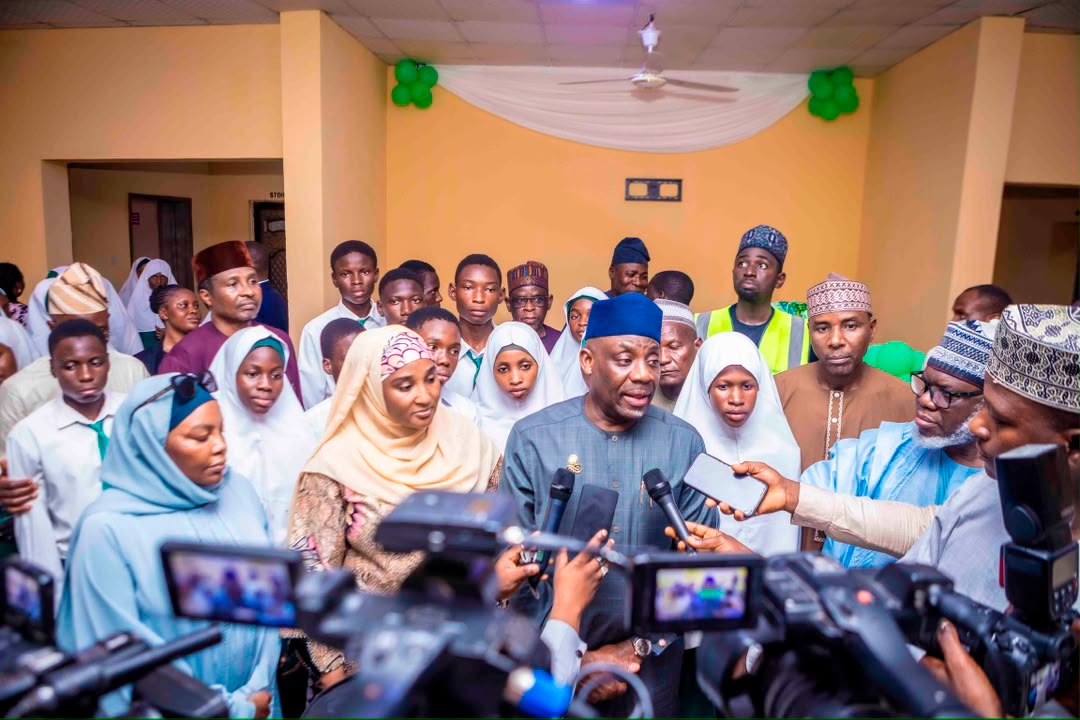
The engagement, which lasted four to five days and brought together community members, returnees, survivors, traditional and religious leaders, youth groups and civil society organisations in Bakau, Brikama and Barra, examined the root causes of irregular migration and identified practical solutions to address the growing challenge.
Presenting the findings, the Parliament said unemployment, underemployment, low incomes, limited access to education and vocational skills, and inadequate economic opportunities remain the leading factors pushing young people to undertake dangerous migration journeys.
Participants noted that many youths believe migration offers the only realistic opportunity for economic advancement, as available opportunities within their countries often fail to guarantee a stable and prosperous future.
The consultations also revealed that family expectations, peer influence and misleading portrayals of life abroad on social media continue to fuel irregular migration, with some families even providing financial support for such journeys despite the known dangers.
According to the report, testimonies from returnees and survivors underscored the harsh realities of irregular migration and trafficking in persons, including deception, exploitation, forced labour, abuse, detention, family separation and severe psychological trauma. Participants, however, agreed that survivors and returnees could play a critical role in preventing irregular migration by sharing their experiences with vulnerable communities.
The Parliament stressed that awareness campaigns alone would not effectively address the problem unless they are supported by sustained investments in youth employment, entrepreneurship, vocational skills development, agricultural modernisation and improved access to finance.
It also called for stronger reintegration programmes for returnees and survivors through psychosocial support, skills acquisition, livelihood assistance, job placement and measures to eliminate stigma within communities.
Participants further urged governments to strengthen laws against migrant smuggling and trafficking in persons, noting that existing penalties are inadequate to deter criminal networks profiting from the illegal trade.
Among its recommendations, the ECOWAS Parliament urged member states to expand investments in education, technical and vocational training, youth entrepreneurship and border security, while integrating education on irregular migration and trafficking into school curricula.
The Parliament specifically called on the Government and National Assembly of The Gambia to accelerate the passage of the Immigration Bill, review anti-trafficking legislation to address emerging challenges and invest more in communities disproportionately affected by irregular migration.
Traditional and religious leaders, families, civil society organisations and the media were also encouraged to intensify public awareness campaigns, discourage the financing of irregular migration and support the reintegration of returnees into society.
The regional legislature further resolved to institutionalise parliamentary citizen engagement across ECOWAS member states to strengthen citizen participation and ensure that community perspectives inform future parliamentary oversight and policymaking on migration governance.
The ECOWAS Parliament concluded that the engagements reaffirmed the need for a people-centred approach to tackling irregular migration, stressing that sustainable solutions lie not only in stronger enforcement but also in creating opportunities that allow young people to build secure and dignified livelihoods in their home countries.