Jane Salihu
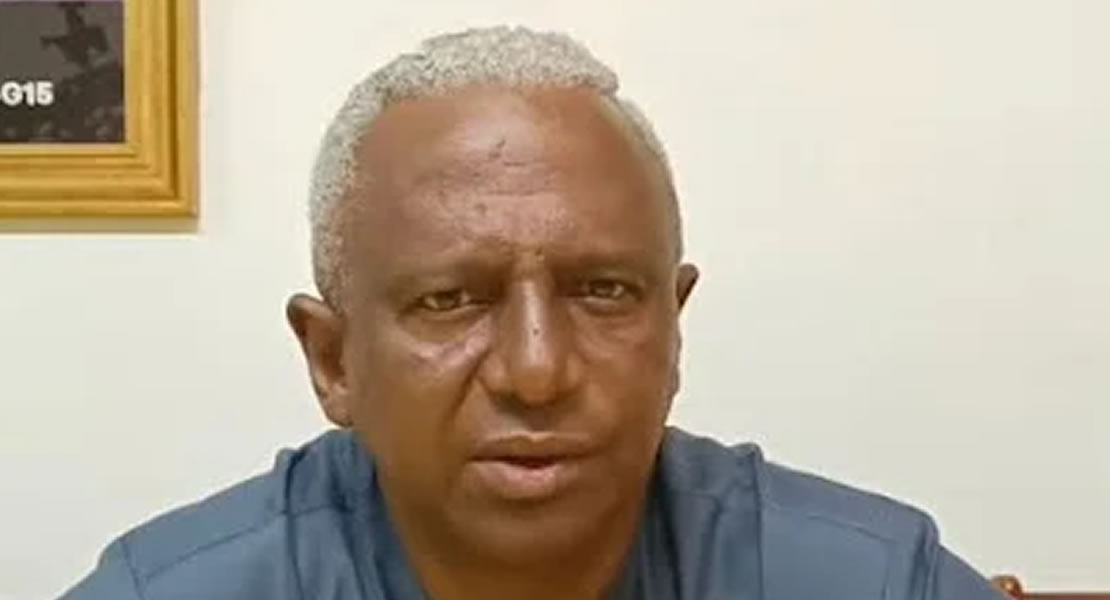
A senior lawmaker from Guinea-Bissau has expressed reservations about the feasibility of the country’s proposed December 2026 general elections, describing the timeline as highly challenging under current political conditions.
Manuel Irénio do Nascimento Lopes, a member of his country’s delegation to the ECOWAS Parliament, said he would be surprised if the polls scheduled for December 6, 2026, proceed as planned.
He spoke on the sidelines of a recent parliamentary engagement in Abuja.
The election date was recently proposed by Major-General Horta Intaa, who led a military intervention in the West African nation. While acknowledging ongoing diplomatic efforts, Lopes maintained that internal political realities could complicate preparations for a smooth transition back to constitutional governance.
He commended the mediation initiatives led by Julius Maada Bio, Chairman of the Authority of Heads of State and Government of ECOWAS, for working to stabilise the situation. However, he cautioned that broader political consensus would be necessary to ensure credible and widely accepted elections.
According to Lopes, the circumstances surrounding the change in government involved both military and civilian actors, making the path to democratic restoration more complex. Drawing from his personal background as the son of a military general, he noted that while many officers remain committed to national stability, divisions within the system could affect the transition process.
The lawmaker also raised concerns about what he described as the need for greater transparency and consistency within ECOWAS’ decision-making processes. He urged regional leaders to apply agreed rules uniformly across member states in order to strengthen confidence in the bloc’s interventions.
Lopes emphasised that the ECOWAS framework provides clear guidelines for addressing unconstitutional changes of government and that consistent implementation would enhance the bloc’s credibility. He called for collective commitment among member states to uphold democratic principles.
On the domestic political front, Lopes expressed strong views about the future of former President Umaro Sissoco Embaló, suggesting that public sentiment would ultimately determine the country’s political direction. He stressed that the well-being and aspirations of citizens should remain central to any transition process.
Concluding, the lawmaker appealed for decisive yet balanced regional engagement to support stability in Guinea-Bissau. He noted that ECOWAS has previously demonstrated swift responses in other member states and expressed hope that similar commitment would help guide his country toward a peaceful and credible democratic transition.