Jane Salihu
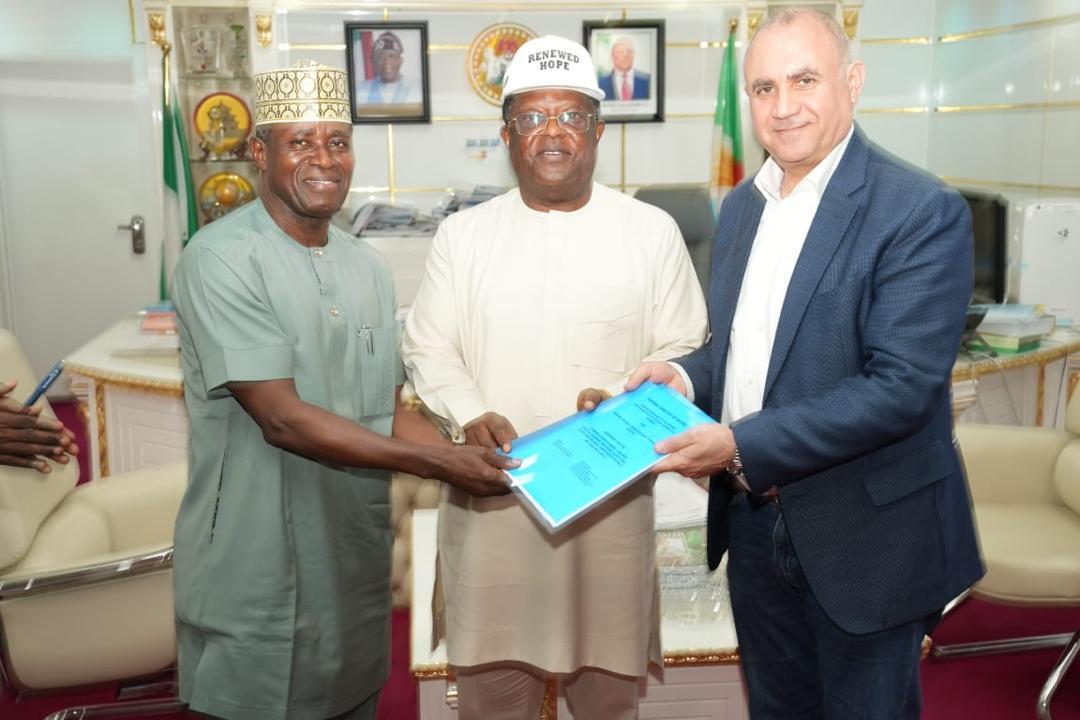
The National Universities Commission (NUC) has thrown its weight behind Jigawa State’s strategy to build a homegrown healthcare workforce by formally recognising the Jigawa State University of Medical and Allied Sciences, a specialised institution expected to reduce dependence on overseas medical training and strengthen Nigeria’s healthcare system.
The recognition, announced on Thursday in Abuja, makes the institution Nigeria’s 70th state-owned university and marks the first time a state government has acquired a private university and converted it into a public institution.
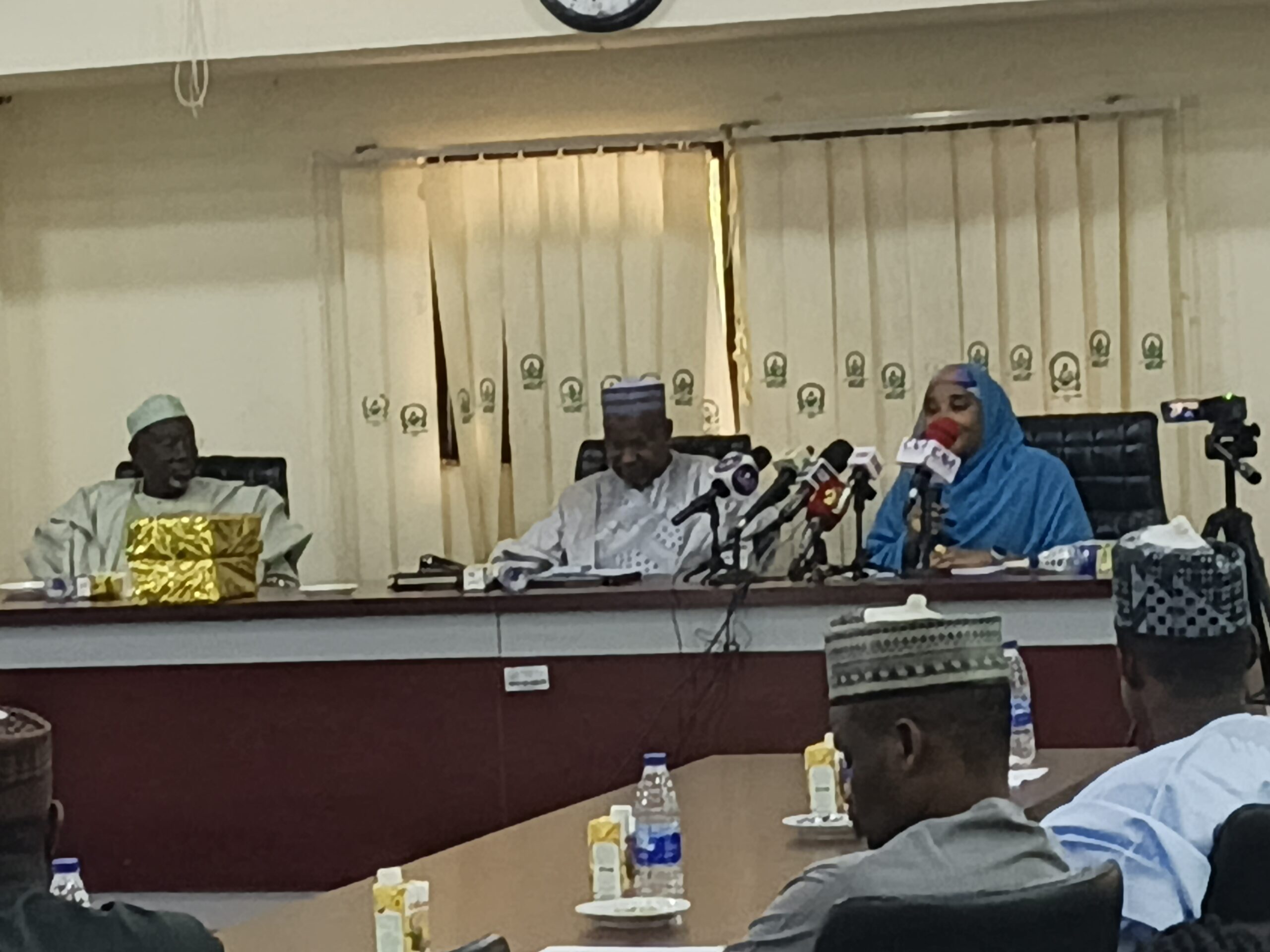
Speaking at the ceremony, NUC Executive Secretary, Prof. Abdullahi Ribadu, described the development as a strategic intervention aimed at addressing Nigeria’s persistent shortage of healthcare professionals.
He noted that the country’s doctor-to-population ratio remains significantly below the World Health Organization’s recommended benchmark, a situation worsened by the migration of medical personnel abroad.
According to Ribadu, expanding specialised medical institutions remains one of the most effective ways to increase the production of doctors and other health professionals required to meet Nigeria’s growing healthcare demands.
“Today’s recognition is important not only for Jigawa State but also for the Nigerian university system. Nigeria faces a serious shortage of healthcare professionals, and strengthening medical education is critical to addressing that challenge,” he said.
The NUC boss urged the Jigawa State Government to provide sustained funding for the new institution and Sule Lamido University to enable them to deliver on their mandates.
He also advised the university management to ensure a seamless transition by protecting the interests of existing students and staff while maintaining uninterrupted academic activities.
Ribadu explained that non-medical programmes currently offered by the institution would continue until enrolled students graduate, after which the university would operate exclusively as a specialised medical and allied health institution.
He disclosed that from the 2027 academic session, the university plans to introduce degree programmes in Anatomy, Physiology, Public Health, Nutrition and Dietetics, Radiography and Health Information Management, subject to successful NUC resource verification and compliance with regulatory standards.
Governor Umar Namadi said the decision to acquire the former private university was informed by the state’s determination to develop its own healthcare professionals rather than continue relying on overseas medical training.
He revealed that although Jigawa currently sponsors about 200 medical students abroad, future students would be trained locally after the existing beneficiaries complete their programmes.
“The students currently studying abroad will have to graduate first. After that, instead of sending students overseas, we will train them in our own university.
“We want to ensure that the doctors produced by the university meet international best practices,” the governor said.
Namadi said the university would serve as a specialised institution dedicated to producing doctors and allied health professionals capable of improving healthcare delivery in Jigawa State and across Nigeria.
He commended the NUC for providing guidance throughout the transition process and assured the commission that his administration would provide the necessary resources to develop the institution into a centre of excellence.
Also speaking, the Minister of State for Education, Prof. Suwaiba Ahmad, described the recognition as a significant milestone in the Federal Government’s efforts to strengthen both the education and healthcare sectors.
She said the establishment of the university aligns with President Bola Ahmed Tinubu’s Renewed Hope Agenda, which prioritises expanded access to quality education, improved healthcare services and the development of skilled manpower.
Ahmad urged the institution to maintain high academic standards by focusing on quality teaching, research and community service while producing graduates capable of addressing Nigeria’s healthcare challenges.
With the recognition, Nigeria’s university system now comprises 328 universities, reinforcing ongoing efforts to expand access to higher education while strengthening specialised training in critical sectors such as healthcare.