By Jane Samuel
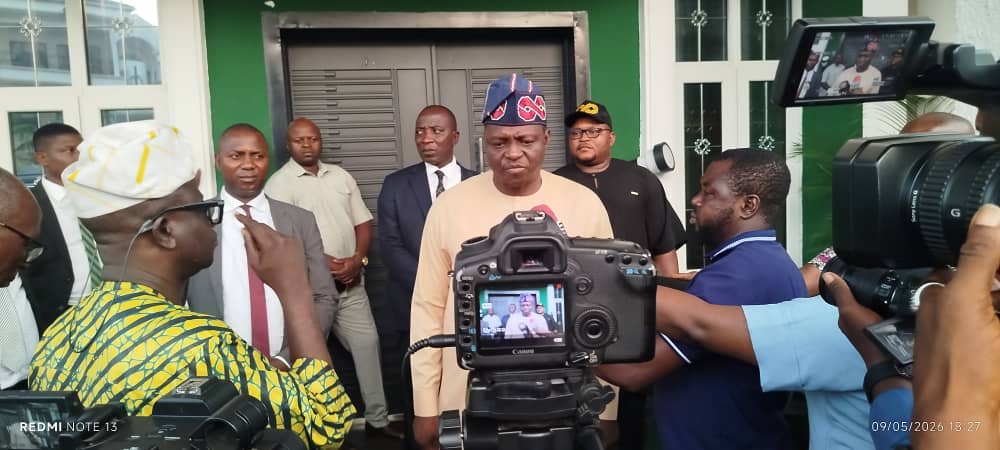
Against the backdrop of growing advocacy for gender inclusion and ongoing debates on electoral and constitutional reforms in Nigeria, the Leader of the Nigeria Democratic Congress (NDC), Senator Seriake Dickson, has called for the emergence of ideology-driven political parties capable of addressing the country’s governance challenges and strengthening democratic participation.
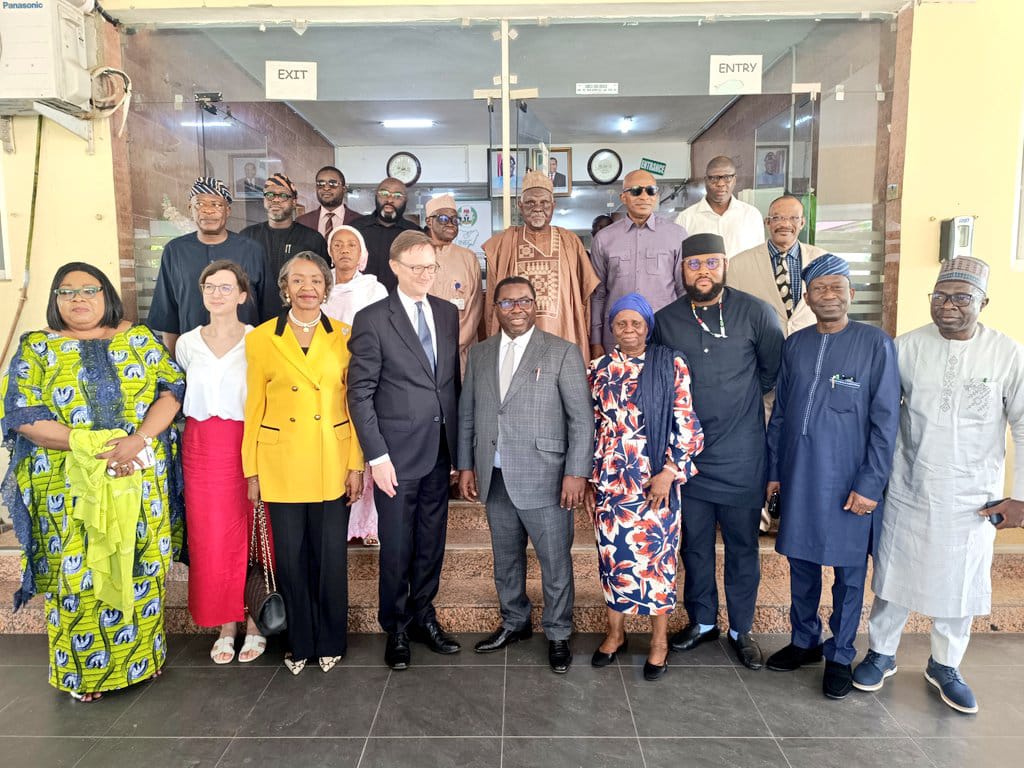
Sen. Dickson made the call in Abuja when he received members of the Women Collective Hub on a courtesy visit led by the group’s Founder and Leader, Ambassador Nkoyo Toyo. The meeting focused on the ongoing push by women’s advocacy groups for the Special Seats Bill and broader measures aimed at increasing women’s representation in political leadership.
Welcoming the delegation, the NDC leader said women’s participation in governance was essential to building a stable and inclusive democracy.
“Nigeria is in dire need of an ideological political party — a party that will stand the test of time and address the interests of all Nigerians, including women, youths and other vulnerable groups,” Dickson said.
He commended Toyo for her decades-long advocacy for women’s political inclusion, noting that the struggle for women’s representation was not just about gender equality but about improving governance and national development.
Dickson acknowledged that although many political parties include commitments to women’s participation in their constitutions, those commitments often fail to translate into real political opportunities.
He said deliberate mechanisms were required to correct the imbalance in political representation.
“There is nothing about women that will help advance their status that I will hesitate to support,” he said.
The senator also reiterated his support for the proposed Special Seats Bill aimed at expanding women’s representation in legislative bodies.
“The special seats proposal may not solve everything, but it is an important step forward,” Dickson added.
He explained that economic challenges, limited access to political resources, cultural barriers and entrenched power structures often make it difficult for women to succeed in politics, making affirmative action necessary to bridge the gap.
Earlier, Ambassador Nkoyo Toyo said the campaign for women’s political inclusion in Nigeria had been ongoing for more than three decades and should not be seen as a recent agitation.
“Advocacy for women’s political inclusion has been going on for over 30 years. This is not a new struggle,” Toyo said.
She recalled that women’s rights advocates had consistently engaged political leaders, civil society organisations and constitutional reform processes since the 1990s in an effort to secure meaningful representation for women.
Toyo lamented that despite the presence of highly accomplished Nigerian women across different sectors, their representation in elective offices remains extremely low.
“We go around the world and see countries with far higher representation of women, while Nigeria is still below four percent in the National Assembly. It is embarrassing given the strength and competence of Nigerian women,” she said.
She said the proposed Special Seats Bill was one of the measures being promoted to correct the imbalance and ensure women’s voices are represented in decision-making institutions.
Also speaking during the visit, the National Women Leader of the Nigeria Democratic Congress, Dudu Manuga, said the party had already adopted affirmative action aimed at encouraging more women to participate in politics.
“Our party is ready to give Nigerian women opportunities to be who they were meant to be and to occupy leadership positions,” she said.
Manuga noted that the party was working to remove barriers that discourage women from contesting elections, including lack of support, financial constraints and cultural limitations.
“We want to remove the barriers that discourage women from participating in politics and create an environment where women can emerge as candidates at all levels,” she added.
She further explained that the NDC plans to focus on training, mentoring and empowering women aspirants while ensuring transparent party primaries and fair political processes.
The meeting ended with both sides pledging to deepen collaboration in promoting women’s political participation, leadership development and advocacy for legislative reforms aimed at improving gender inclusion in Nigeria’s governance system.