Jane Salihu
The Federal Government has identified student loans, vocational training and skills development as key areas through which President Bola Ahmed Tinubu’s administration expects Nigerians to assess its performance ahead of the 2027 presidential election.
Minister of Education, Dr Maruf Tunji Alausa, said this during a visit to the City Boy Movement’s office in Abuja, where he highlighted education and human capital development as major components of the administration’s Renewed Hope Agenda.
Alausa said the government’s interventions were designed to expand educational opportunities, equip young Nigerians with employable skills and prepare the country’s workforce for emerging economic opportunities.
He cited the Nigerian Education Loan Fund (NELFUND) as a major initiative aimed at removing financial barriers to higher education, stressing that young Nigerians should not be denied access to tertiary education because of their families’ financial circumstances.
The minister also disclosed that more than 250,000 Nigerians were benefiting from technical and vocational education and training (TVET) programmes across approximately 1,200 centres nationwide.
According to him, the programmes provide practical training in areas such as solar installation, garment production, carpentry, construction and animal husbandry, among other trades.
Alausa said the emphasis on vocational education reflected the government’s intention to bridge the gap between academic qualifications and the practical skills required in the labour market.
He maintained that education must go beyond certificate acquisition to equip young people with competencies that could support employment, entrepreneurship and national economic growth.
The minister further highlighted government efforts to address infrastructure and accommodation challenges in tertiary institutions, alongside initiatives to expand nursing education and professional training.
He argued that sustained investment in education and workforce development would be critical to improving productivity, strengthening essential services and positioning Nigeria to benefit from opportunities in sectors such as business-process outsourcing.
On the broader economic reform agenda, Alausa said difficult policy decisions should be assessed against their long-term objectives, particularly their potential to create room for greater investment in education, healthcare, infrastructure and other essential public services.
He expressed confidence that the administration’s performance would be a major factor in the 2027 presidential election, pointing to its education and skills-development programmes as areas through which Nigerians could evaluate its record.
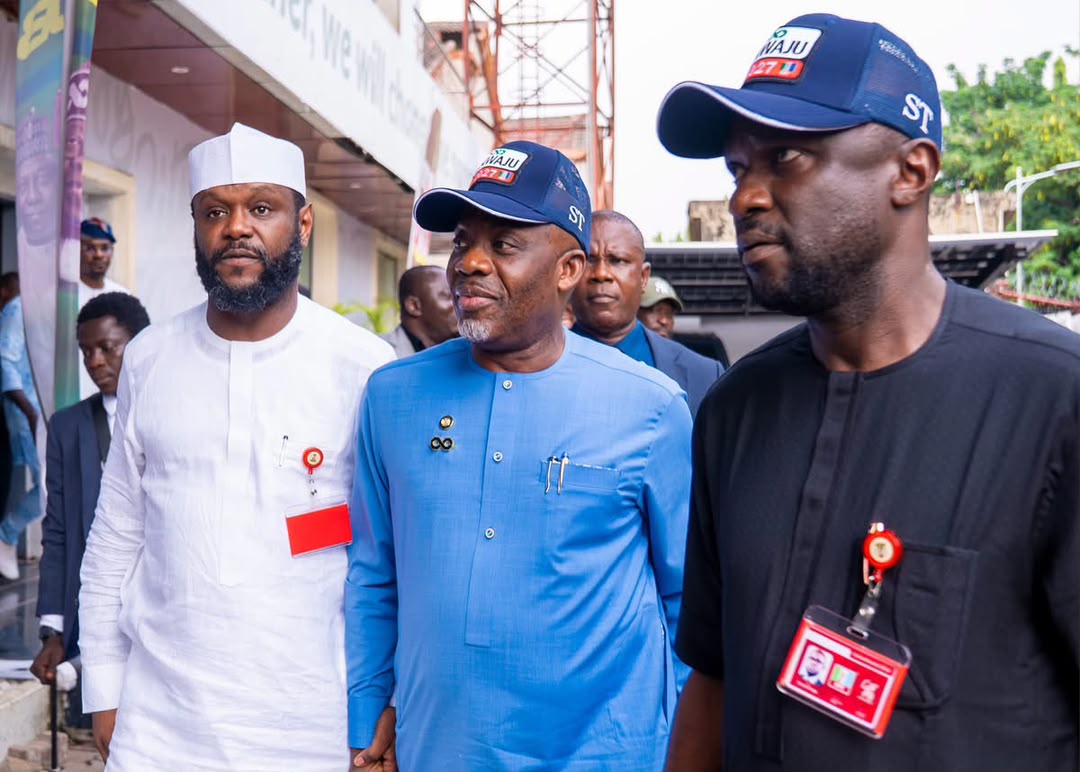
The minister also commended Seyi Tinubu and members of the City Boy Movement for their grassroots mobilisation efforts, urging them to sustain engagement with communities and communicate government policies to the public.
He described the movement’s outreach across different age groups, ethnic backgrounds and social classes as an opportunity to encourage civic participation and broaden public understanding of government programmes.
Alausa, however, cautioned Nigerians against misinformation and divisive rhetoric, urging citizens to engage in national discussions responsibly and prioritise the country’s long-term interests.
He said sustaining the administration’s development agenda would require consistent implementation of policies and continued investment in human capital.
The minister reiterated his confidence in President Tinubu’s leadership, maintaining that education, vocational training and the creation of opportunities for young people would remain important considerations in assessing the administration ahead of the 2027 polls.