By Admin
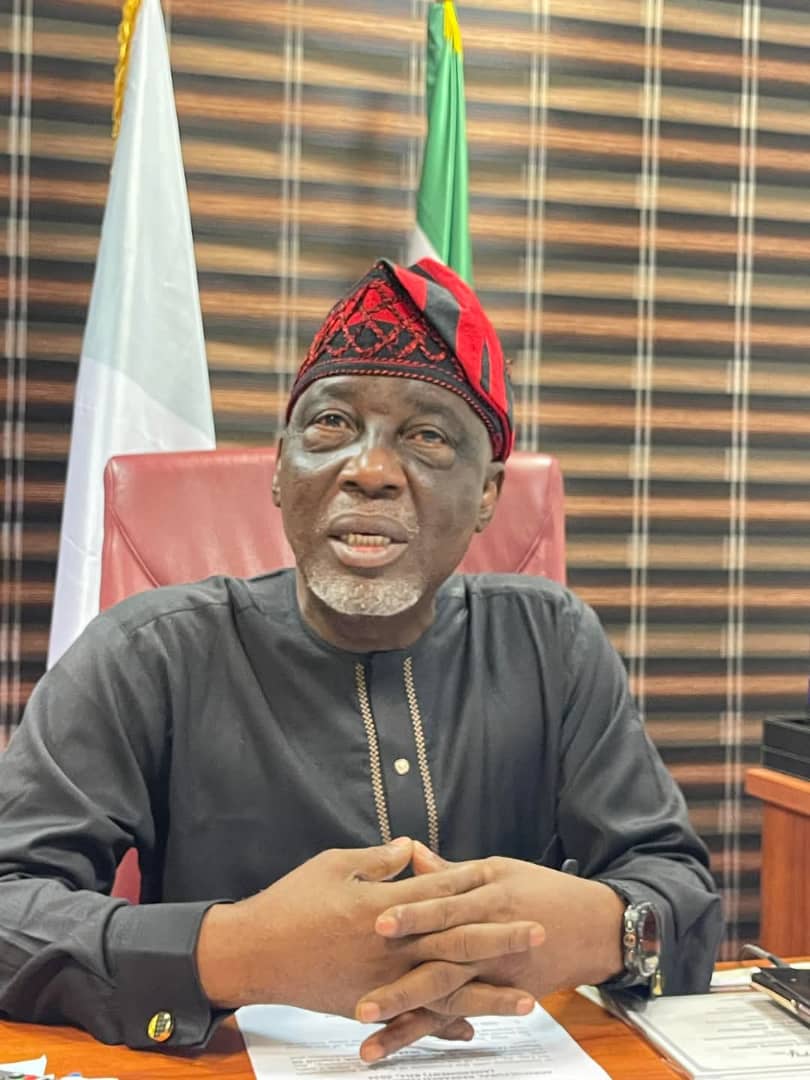
Senator Abba Moro, who represents Benue South Senatorial District, has urged the Federal Government to halt negotiations with terrorists and bandits, warning that dialogue and ransom payments only embolden criminal groups.
The Senate Minority Leader made the call on Wednesday while addressing members of the Senate Press Corps after presenting a motion on the persistent killings in Apa, Igah, Ankpali and other communities in Benue South.
Moro lamented that violent attacks across the country had become alarmingly frequent, describing the situation as a troubling routine where lives are lost and the response often ends with debates and moments of silence.
According to him, Nigerians are increasingly worried about the continued bloodshed and the seeming inability of authorities to bring the situation under control.
He questioned why insecurity has persisted for years despite the government’s awareness of the nature and location of the threats.
The senator noted that different forms of insecurity exist across the country, from insurgency in parts of the North-East to banditry and abductions in the North-West, as well as kidnapping and armed robbery in the North-Central, yet decisive action to end them has remained elusive.
Moro also criticised the pattern of responses to attacks, saying security agencies are often seen recovering bodies after incidents rather than preventing them.
He stressed that effective intelligence gathering should be the backbone of security operations, noting that globally, intelligence is used to anticipate attacks and apprehend perpetrators before they strike.
The lawmaker described the recurring attacks in his constituency as deeply disturbing, citing the case of Ankpali Ediku community, which he said has suffered repeated violence.
He recalled that the community was attacked on January 6, 2025, leaving about 11 people dead, and was again invaded on April 12, 2026, when another 14 residents were reportedly killed.
Although security personnel, including Mobile Police operatives and troops of Operation Whirl Stroke, were deployed after the first attack, he said the measures did not prevent the latest incident.
Moro disclosed that during a visit to the area, he had offered to assist the police by supporting the reconfiguration of their operational vehicle but insisted on inspecting it before providing funds. He said he never received further communication after that discussion.
Expressing concern over the growing boldness of criminal groups, the senator said recent attacks on military personnel and senior officers reflect the confidence terrorists have gained.
He argued that negotiations between government authorities and armed groups could be partly responsible for this trend, as it signals weakness and encourages further aggression.
Moro also raised concerns over reports that some bandits possess more sophisticated weapons than security agencies, describing the situation as unacceptable.
According to him, the locations of many of these criminal groups are known, as they often operate from forests that security agencies are aware of and sometimes even come out openly for negotiations.
Drawing from his experience as a former Minister of Interior, the senator insisted that terrorists should be identified and neutralised rather than engaged in dialogue.
He said the global standard in dealing with terrorism is firm action against perpetrators, not negotiations or ransom payments.
Moro cited the example of the United States, noting that the government often deploys extensive resources to rescue even a single citizen caught in a conflict situation.
He added that Nigeria must demonstrate the same level of commitment to protecting its citizens.
The senator further lamented that governance in the country appears to have been overshadowed by political considerations, with leaders focusing more on securing re-election than addressing urgent national challenges.
He also questioned the policy of rehabilitating so-called repentant terrorists, asking whether releasing individuals accused of killings and destruction sends the right message to victims and the wider public.
According to him, the country must rethink its strategy and prioritise decisive measures that will end the cycle of violence and restore confidence in the nation’s security system.