Jane Salihu
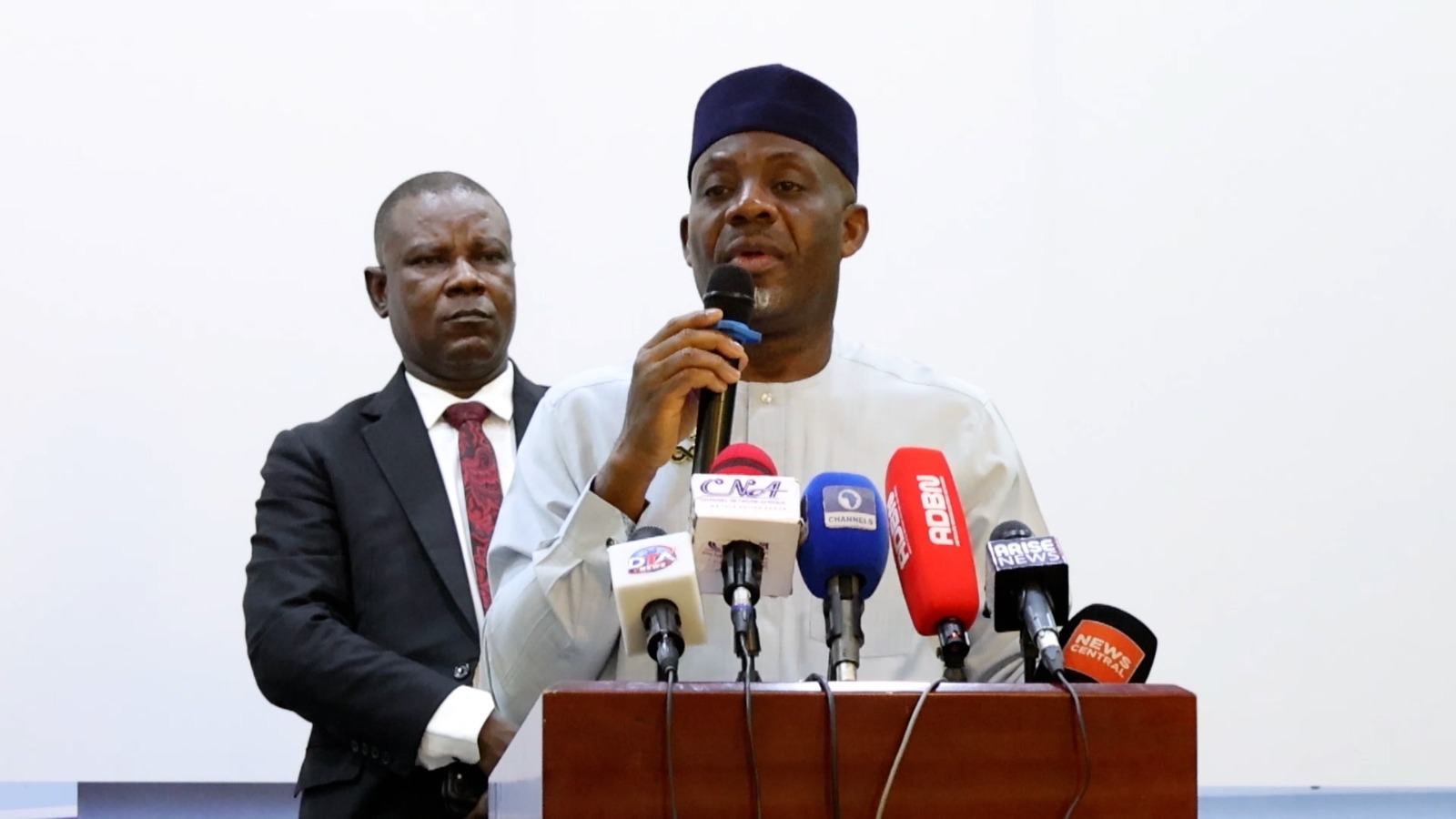
The Minister of Education, Dr. Maruf Tunji Alausa, has challenged Vice-Chancellors of Nigerian public universities to take advantage of new opportunities provided by the administration of President Bola Ahmed Tinubu to mobilise alternative sources of funding for their institutions.
Alausa gave the charge at the National Advancement Forum 2026, where he expressed concern that only four of the 68 federal universities were currently making meaningful use of alternative funding opportunities, including research grants, endowments, alumni contributions, philanthropy and industry partnerships.
The Minister said government allocations alone could no longer meet the growing needs of universities, urging Vice-Chancellors to make resource mobilisation a key part of their leadership responsibilities.
He said university leaders must move beyond managing government allocations and actively build relationships with alumni, businesses, philanthropists, research funders and other strategic partners.
According to him, universities in advanced countries have successfully developed alternative funding systems by engaging prominent individuals, alumni and private organisations to support research, infrastructure, scholarships and innovation.
Alausa stressed that the Federal Government was not withdrawing its support for tertiary education, noting that the Tinubu administration had continued to provide funding for personnel costs, infrastructure and other interventions through agencies such as the Tertiary Education Trust Fund, TETFund.
He also noted that public universities retain 75 per cent of their internally generated revenue, describing these existing provisions as a foundation which institutions should complement with other sustainable funding sources.
“Government funding is not enough. Universities live, function and excel on blended funding,” the Minister said.
He urged Vice-Chancellors to take advantage of the policy environment created by the present administration, particularly opportunities for better management of research and endowment funds.
Alausa recalled that some research and endowment funds had previously been moved into the Treasury Single Account, TSA, which created challenges in accessing and managing such resources.
He said President Tinubu subsequently directed the development of a framework allowing research and endowment accounts to be moved out of the TSA to commercial banks of the universities’ choice.
“President Bola Ahmed Tinubu has met you beyond halfway. He has given you the leverage and the opportunity to do your jobs well. You must now take advantage of it,” he told the Vice-Chancellors.
The Minister also directed universities to strengthen their Advancement Offices, saying the offices should play a more central role in fundraising, alumni engagement and building partnerships with industry and philanthropic organisations.
He directed that university Advancement Offices should report directly to the Office of the Vice-Chancellor rather than the Registrar, asking Vice-Chancellors at the forum to communicate the directive to their respective institutions immediately.
He further directed that Directors of Advancement should have a minimum internal tenure of five years, renewable where appropriate, to enable them to develop and sustain long-term relationships with donors, alumni and other funding partners.
Describing advancement as a professional function, Alausa said officers responsible for fundraising require stability and strong institutional backing to deliver meaningful results.
He also urged universities to establish functional alumni databases and use technology to maintain lifelong relationships with graduates in Nigeria and abroad.
According to him, effective alumni engagement could transform university graduates into long-term partners in institutional development.
The Minister said the Federal Ministry of Education, in partnership with the Nigerian Higher Education Foundation, NHF, would develop a comprehensive national framework for sustainable financing of tertiary institutions.
He said the framework would cover endowment governance, research grants, alumni giving, Advancement Office structures, industry partnerships, philanthropy, revenue management, accountability and transparency.
Alausa said all public universities would be progressively brought into the framework, with institutions expected to establish endowments, strengthen their advancement structures, maintain functional alumni databases and develop productive relationships with industry and philanthropic partners.
He emphasised that transparency and accountability must remain central to university fundraising, noting that donors and other funding partners would only sustain their support for institutions they trust.
The Minister clarified that the initiative was not intended to replace government funding or make universities dependent solely on internally generated revenue.
Rather, he said, the objective was to build diversified and resilient financing systems capable of complementing government support and sustaining research, innovation and academic excellence.
Alausa assured that the Federal Ministry of Education would continue to provide the necessary policy direction and enabling environment, while expecting university leaders to take greater responsibility for mobilising resources.
He said the ultimate objective was to build Nigerian universities capable of attracting competitive research grants, engaging their alumni, developing productive industry partnerships and securing philanthropic support for sustainable institutional development.